South Island Floods: Navigating the Deluge
- Understanding South Island Floods: More Than Just Rain
- What Causes Flooding in the South Island?
- Echoes of the Past: Significant South Island Rain Events
- The Impact on Communities and Infrastructure Today
- Environmental Consequences of Deluges
- Being Ready: Preparedness and Mitigation
- The Climate Change Connection
- Looking Ahead: Adapting to South Island Floods
South Island floods are a stark reality of living in this beautiful, yet sometimes volatile, part of New Zealand. Having called the South Island home for years, I’ve personally witnessed the power of water when it decides to redefine coastlines and reshape landscapes. It’s more than just a bit of surface water; significant flooding in the South Island can disrupt lives, isolate communities, and leave a lasting impact. In this article, we’ll delve into what makes these events happen and how we can better understand and prepare for the challenges posed by South Island floods.
What Causes Flooding in the South Island?
So, what exactly triggers these major South Island rain events? It often comes down to a potent mix of geographical features and weather patterns. New Zealand is surrounded by ocean and regularly sees intense weather systems roll in, bringing heavy rain. Our rugged topography, particularly the majestic Southern Alps, plays a crucial role. When moist air is forced up and over these mountains, it condenses rapidly, leading to incredibly high rainfall, especially on the western side.
Heavy rainfall, defined as more than 100 mm in 24 hours, is relatively common here. Often, the most significant precipitation falls in just a few hours, quickly overwhelming natural drainage systems. Common culprits include ex-tropical cyclones, lows tracking from the Tasman Sea, southern depressions, and cold fronts.
But it’s not just the rain itself. Several factors contribute to the severity of flooding:
- River Systems: The South Island has many powerful rivers originating in the mountains. Intense rain and melting snow can rapidly swell these waterways, causing them to burst their banks.
- Landslides: Severe weather or earthquakes can trigger landslides that dam rivers and streams. When these natural dams fail, they can release a torrent of water downstream, causing sudden and devastating floods. About 200 such dams were formed by landslides during the 2016 Kaikōura earthquake alone.
- High Sea Levels: At river mouths, high sea levels, often due to low-pressure systems and storm surges, can prevent floodwaters from draining into the ocean, exacerbating inland flooding. This issue is increasingly compounded by rising sea levels.
Human activity also plays a part. Historical clearing of native forests has increased rapid run-off and erosion, raising riverbed levels. In urban areas, buildings and paved surfaces prevent rain from soaking into the ground, leading to more surface flooding and increased strain on stormwater systems.
Echoes of the Past: Significant South Island Rain Events
South Island floods are nothing new. Māori history includes accounts of significant deluges. Early European settlers quickly learned how quickly South Island rivers, particularly the broad, gravel-bed ones, could turn from shallow crossings into powerful, deadly torrents. The ‘Great Flood’ of 1878 is a notable example, causing widespread damage and loss of life across Southland, Otago, Canterbury, and the West Coast, primarily due to heavy rain and snowmelt.
The Clutha River, New Zealand’s largest by flow, experienced one of its greatest floods in 1878, resulting from warm wind and rain melting winter snow. This event saw over 5,700 cubic metres of water per second pouring down the lower reaches. The damage was extensive, altering the landscape and devastating towns along the river.
More recently, the 1984 Southland floods caused devastating damage in Invercargill and other areas. In 2004, intense rain in Marlborough contributed to widespread flooding across the lower North Island and upper South Island. The 2023 southern New Zealand floods, for instance, led to states of emergency in Southland and Queenstown, with significant surface flooding and evacuations in Gore and Queenstown.
These historical accounts serve as a stark reminder that while weather patterns differ, the potential for significant South Island flooding remains a constant threat.
The Impact on Communities and Infrastructure Today
When extreme South Island rain events hit, the consequences are immediate and far-reaching. Communities can be cut off, homes inundated, and essential services disrupted. Just recently, we’ve seen states of emergency declared in places like Nelson, Tasman, and Marlborough due to torrential rain causing widespread disruption.
Imagine being told to evacuate your home because a nearby river stopbank is compromised, as happened in Spring Creek, Marlborough. That’s a scary reality for residents. Roads become impassable due to flooding and slips, effectively isolating areas and impacting travel across the region. Power outages are also a common issue, leaving households without electricity during already stressful times.
The damage to infrastructure is substantial. Roads, bridges, and railway lines can be washed away or severely damaged. Stormwater and wastewater networks can be overwhelmed, leading to significant surface flooding and contamination risks. In the 2023 Southland floods, the Tuatapere water treatment plant was inundated, impacting the town’s drinking water supply.
From a personal perspective, even minor flooding can be incredibly stressful. The clean-up is arduous, and the emotional toll on those affected is significant. I’ve heard stories from friends in affected areas about the sheer scale of silt and debris left behind, making homes uninhabitable and requiring immense community effort to restore. Fire and Emergency crews are often called to rescue people trapped in vehicles or assist with pumping water from flooded homes – dangerous work that highlights the immediate risks.
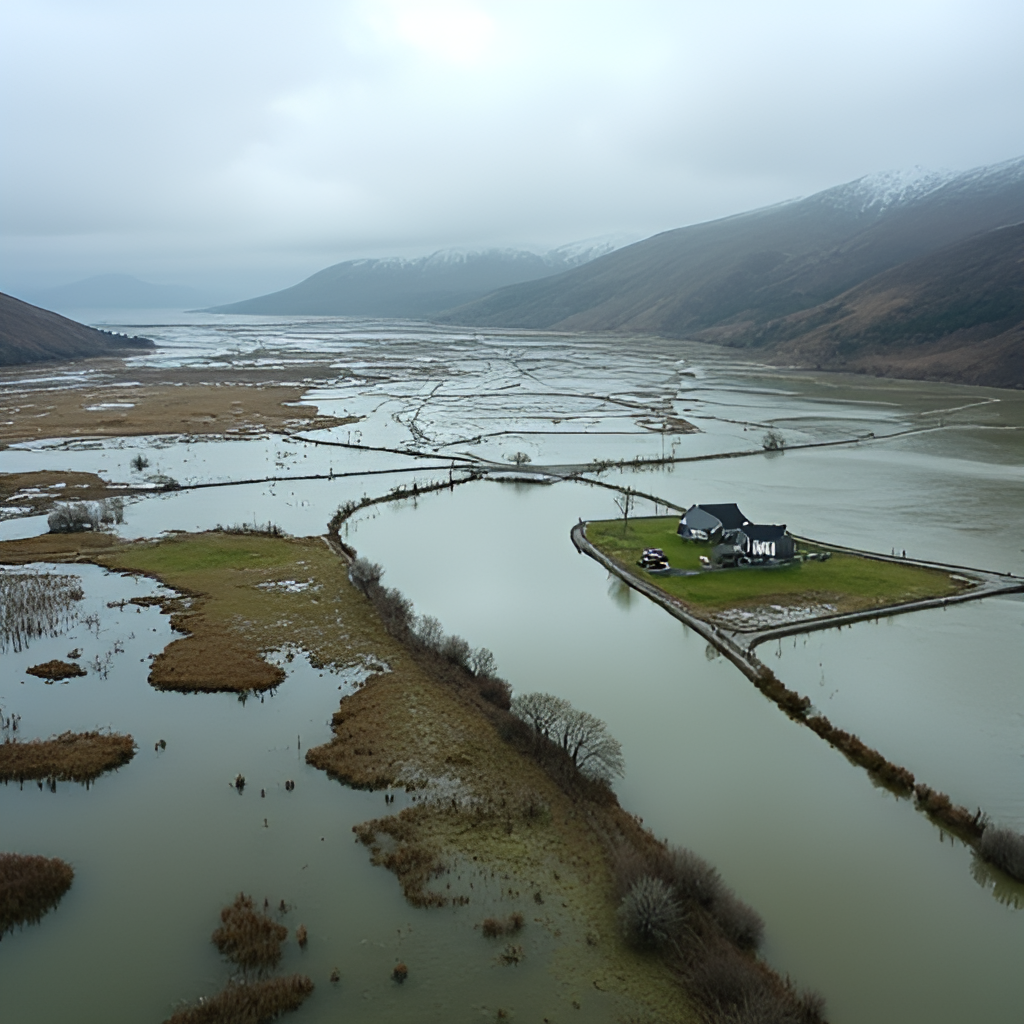
This image is a fictional image generated by GlobalTrendHub.
Environmental Consequences of Deluges
Beyond the immediate human impact, South Island floods have significant environmental consequences. The powerful flow of floodwaters can cause extensive erosion, stripping away valuable topsoil and altering river courses.
Sediment is a major issue. Huge quantities of silt and debris are washed downstream, smothering pastures, orchards, and natural habitats. This sediment can dramatically change the landscape and impact ecosystems for years. In the 1878 Clutha flood, the sheer volume of deposited sediment raised the island of Inch Clutha by 2 metres!
Floodwaters are often contaminated with farm run-off, chemicals, and sewage, posing a serious risk to freshwater and coastal environments. This contamination can harm aquatic life and make waterways unsafe. We know that many of New Zealand’s native fish species require cool, clean water, and increased flooding and warmer temperatures (linked to climate change) threaten these habitats.
While the landscape is naturally shaped by water over time, the increasing intensity and frequency of South Island rain events due to climate change exacerbate these environmental impacts, making it harder for ecosystems to recover.
Being Ready: Preparedness and Mitigation
Given the reality of flooding in the South Island, preparedness is key. Civil Defence provides invaluable advice on getting ready. Staying informed through local radio and Civil Defence channels is crucial when severe weather warnings are issued. Having a ‘grab bag’ ready with essentials like food, water, medication, and important documents is a simple but vital step.
Listening to emergency services and local authorities is paramount. If advised to evacuate, doing so promptly is essential for safety. Moving pets and livestock to higher ground is also critical. A hard lesson learned is that if it’s not safe for you, it’s certainly not safe for your animals.
Never, ever try to walk, swim, or drive through floodwater. It’s impossible to judge the depth or the force of the current, and this is where many flood fatalities occur. Always assume floodwater is contaminated and take precautions regarding food and water safety after a flood event.
Beyond individual preparedness, significant work is being done on mitigation. This includes investing in and repairing crucial infrastructure like river stopbanks. Understanding flood risk areas through mapping and hydraulic modelling helps communities and councils plan effectively.
Addressing the root causes of increased flooding, particularly climate change, is also a critical part of long-term mitigation. Building more resilient infrastructure and considering things like managed retreat in high-risk coastal or riverside areas are challenging conversations, but necessary ones for the future.
The Climate Change Connection
It’s impossible to discuss South Island floods without acknowledging the role of climate change. While floods have always been a part of New Zealand’s history, the science indicates that climate change is likely increasing the frequency and intensity of heavy rainfall events.
Warmer air holds more moisture, meaning that when rain does fall, there’s more of it. Researchers have found that climate change made recent flooding in Canterbury, for example, significantly more intense. NIWA research suggests that areas like the West Coast and the South of the South Island, where rainfall and river flows are already high, are particularly likely to experience more frequent rain deluges.
The combined effects of increased heavy rainfall and rising sea levels create a worrying scenario, especially for communities located on floodplains or near the coast. My personal take on this is that while we can’t prevent rain from falling, understanding this link between climate change and the severity of South Island rain events is crucial for informing how we adapt and build resilience for the future.
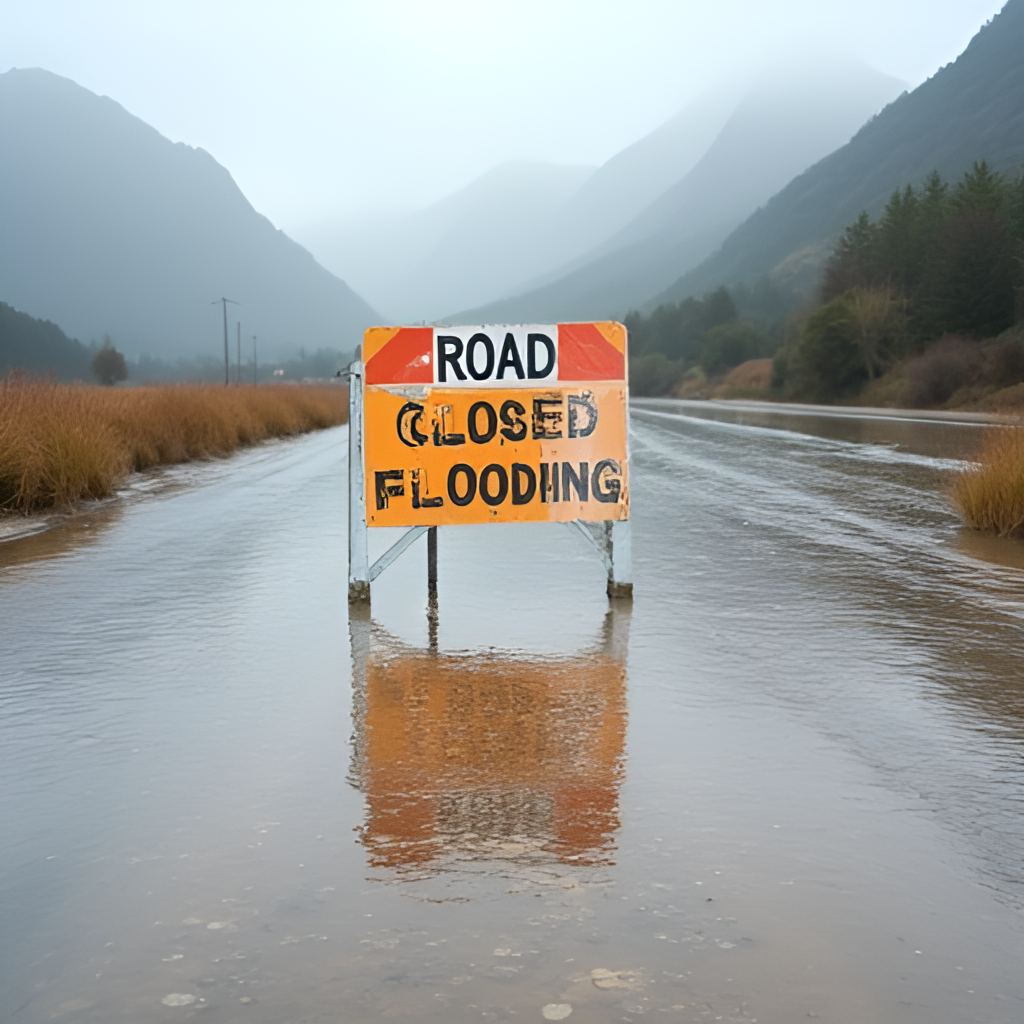
This image is a fictional image generated by GlobalTrendHub.
Looking Ahead: Adapting to South Island Floods
In conclusion, South Island floods are a powerful natural force shaped by New Zealand’s unique geography and increasingly influenced by global climate change. We’ve explored the causes, historical impacts, modern-day challenges, and the environmental toll of these significant events. While the immediate aftermath of flooding is devastating, the ongoing efforts in preparedness, infrastructure improvements, and understanding the climate link offer pathways to greater resilience.
Having seen firsthand the disruption and heartache that South Island floods can cause, I believe a collective effort is needed – from government agencies and local councils to communities and individuals – to adapt to this evolving reality. By staying informed, being prepared, and supporting mitigation efforts, we can hope to minimise the impact of future South Island floods and protect the people and places we love.