Measles in NZ: Understanding the Risks and How to Stay Protected
- Introduction to Measles in Aotearoa New Zealand
- What Exactly is Measles?
- Recognising the Signs: Measles Symptoms
- Why Measles Can Be So Serious: Complications
- Prevention is Key: The MMR Vaccine in NZ
- Who Should Get Vaccinated? Eligibility in New Zealand
- Measles Outbreaks in New Zealand: A Look Back
- What to Do If You Think You’ve Been Exposed
- Protecting Our Communities from Measles
Measles in NZ is a topic that’s been making headlines, and it’s something every Kiwi needs to understand to keep themselves and their whānau safe. As someone who follows public health trends closely, I know how quickly this highly contagious illness can spread through communities if we’re not vigilant. This article will dive into what measles is, its symptoms, the potential complications, and most importantly, how you can protect yourself and others through vaccination.
Measles is caused by a virus that lives in the nose and throat mucus of an infected person and spreads easily through coughing and sneezing. It’s one of the most contagious diseases out there, with one person able to infect 12 to 18 others who aren’t immune. The good news? Measles is almost entirely preventable with immunisation.
What Exactly is Measles?
So, what exactly are we talking about when we say measles? It’s a serious viral infection, sometimes called ‘English measles’ or morbilli. The virus is highly infectious and can cause significant illness. While it was once a common childhood illness, widespread vaccination has made it much less prevalent in many parts of the world, including New Zealand. However, with falling vaccination rates globally and locally, the risk of outbreaks is increasing.
Recognising the Signs: Measles Symptoms
Knowing the symptoms of measles is crucial for early detection and preventing further spread. The initial signs can often be mistaken for other common illnesses like a cold or flu, which makes it tricky. Typically, symptoms start to show about 10 to 14 days after exposure to the virus, though it can be anywhere from 7 to 21 days.
The first symptoms usually include:
- High fever (at least 38°C)
- Cough
- Runny nose (coryza)
- Sore, red, watery eyes (conjunctivitis)
A few days later, the characteristic measles rash appears. This is a blotchy rash of pink or red spots or bumps (maculopapular) that starts on the face and behind the ears, then spreads down the body to the arms and legs. Interestingly, the fever is usually still present when the rash develops. Small white spots, known as Koplik spots, might also appear inside the mouth a day or two before the rash, lasting for a couple of days. The rash isn’t usually itchy and can stick around for about a week.

This image is a fictional image generated by GlobalTrendHub.
Why Early Detection Matters for Measles
Identifying measles early is vital because people can spread the virus even before they show symptoms, particularly during the initial stage with fever, cough, and runny nose. If you suspect you or someone in your household has measles, it’s incredibly important to isolate and seek medical advice immediately. Don’t just turn up at the doctor’s office or hospital; call ahead so they can take precautions to prevent the virus spreading to others in waiting areas.
Why Measles Can Be So Serious: Complications
While some people recover from measles without major issues, it’s far from a harmless childhood illness. Complications are common, and it can be a very serious, even life-threatening, disease, especially for certain groups.
Common complications include:
- Ear infections
- Diarrhoea
- Pneumonia (lung infection), which is a leading cause of measles-related deaths.
More severe, though less common, complications can occur:
- Encephalitis (swelling of the brain), which can lead to permanent brain damage or death. Approximately 1 in 1000 cases develop encephalitis.
- Subacute sclerosing panencephalitis (SSPE), a rare and fatal degenerative brain disease that can develop years after the initial infection.
Around 1 in 3 people with measles will need hospital care in New Zealand. Groups at higher risk of severe illness and complications include children under 5, adults over 20, pregnant people, and those with weakened immune systems.
Prevention is Key: The MMR Vaccine in NZ
The absolute best way to protect yourself and the community from measles is through vaccination. In New Zealand, the vaccine used is the combined Measles, Mumps, and Rubella (MMR) vaccine, known as Priorix. There isn’t a measles-only vaccine available here.
The MMR vaccine is highly effective. One dose provides protection to about 90-95% of people, and two doses offer protection to over 99% of vaccinated individuals against measles. Two doses, given at least a month apart, are needed for the best protection.
For children, the MMR vaccine is part of the National Immunisation Schedule and is offered free at 12 months and 15 months of age. If a child misses a dose, it’s free to catch up. There’s no risk in having extra doses if you’re unsure if you or your child is fully immunised.
Who Should Get Vaccinated? Eligibility in New Zealand
The MMR vaccine is free in New Zealand for several groups to help boost immunity levels.
Eligibility includes:
- All children aged 18 and under.
- Adults over 18 who are eligible for free healthcare in New Zealand and were born on or after 1 January 1969.
People born before 1969 in New Zealand are generally considered immune because measles was so widespread before the vaccine was introduced. However, if you’re unsure about your immunity status, especially if you’re travelling overseas, it’s best to check with your doctor or healthcare provider.
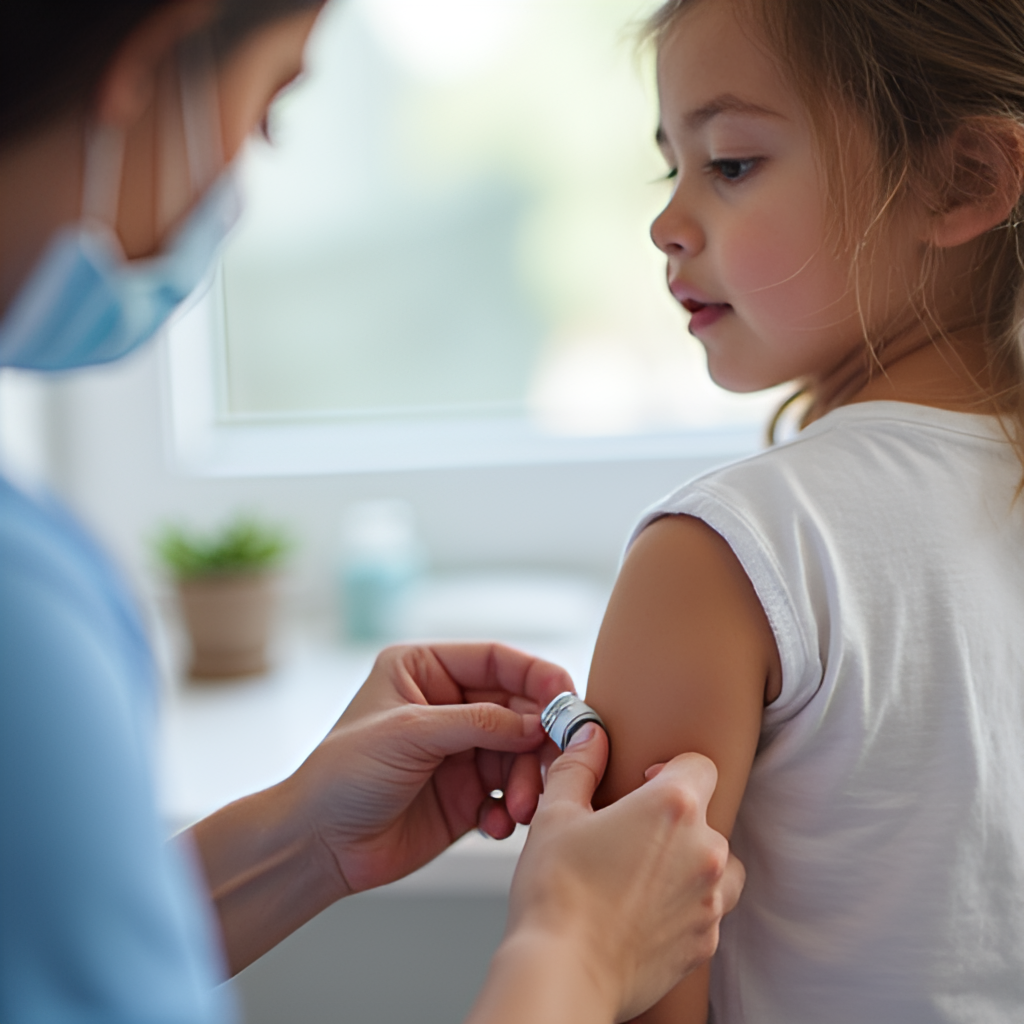
This image is a fictional image generated by GlobalTrendHub.
Measles Outbreaks in New Zealand: A Look Back
New Zealand has experienced measles outbreaks in the past, highlighting the importance of high vaccination rates. Major epidemics occurred in the 1990s, with thousands of cases and sadly, deaths. More recently, the 2019-2020 outbreak, particularly affecting the Auckland region, saw over 2000 cases and a significant number of hospitalisations. This outbreak also tragically spread to Samoa, causing many deaths.
These events serve as a stark reminder that measles can resurface quickly if population immunity isn’t high enough. Experts warn that New Zealand is currently at a very high risk of another outbreak due to falling childhood immunisation rates, which are below the 95% needed for herd immunity to maintain measles elimination.
What to Do If You Think You’ve Been Exposed
If you believe you’ve been in contact with someone who has measles and you’re not immune, it’s crucial to act quickly. Immediately contact your doctor or call Healthline on 0800 611 116. Do not go to a healthcare facility without calling first.
Getting the MMR vaccine within 72 hours of exposure may offer some protection and help limit the spread, although it’s not guaranteed. Public health officials may also advise unimmunised contacts to quarantine (stay home) for 14 days after their last contact to prevent potential spread.
Staying home if you have symptoms is essential to prevent transmitting the virus to others.
Protecting Our Communities from Measles
Measles in NZ remains a serious public health concern, especially with recent cases linked to overseas travel and lower vaccination rates. As someone who cares about the well-being of our communities, I can’t stress enough the importance of ensuring you and your whānau are up to date with your MMR vaccinations. It’s our best defence against this highly contagious and potentially dangerous disease. Checking your immunisation status and getting vaccinated if needed isn’t just about protecting yourself; it’s a vital step in creating herd immunity and safeguarding those who are most vulnerable, like babies too young to be vaccinated and those with weakened immune systems. Let’s work together to keep measles outbreaks at bay in Aotearoa.