Auckland Flooding: Understanding the Impact and Preparing
- The Reality of Auckland Flooding
- Looking Back: Major Flood Events in Auckland
- Why Auckland is Susceptible to Flooding
- The Far-Reaching Impacts of Floods
- Preparing for Future Flooding Events
- Building Resilience: A Community Effort
- Conclusion: Facing Auckland Flooding Together
Auckland flooding is a reality that many residents have faced, some tragically experiencing its devastating power firsthand. Living in Auckland, I’ve seen firsthand the disruption these events cause, from submerged roads and damaged homes to the immense stress placed on families. These Auckland floods aren’t just news headlines; they represent significant challenges for our city, impacting infrastructure, communities, and individual well-being. We need to understand why flooding in Auckland is happening more frequently and intensely and, more importantly, how we can collectively prepare and build resilience for the future.
For decades, Auckland has experienced rainfall, but the nature of these events seems to be shifting. It feels like the “once in a hundred years” storm is becoming far too common. This isn’t just anecdotal; climate data supports this trend, showing an increase in the frequency and intensity of extreme weather events NZ is facing . We’re seeing weather events Auckland wasn’t necessarily built to handle, pushing our systems and communities to their limits.
Looking Back: Major Flood Events in Auckland
While Auckland has a history of dealing with heavy rain, the 2023 Auckland Anniversary Weekend floods stand out as a stark reminder of how vulnerable our city can be . That event, beginning on Friday, 27 January 2023, brought unprecedented rainfall, leading to widespread catastrophic flooding across the upper North Island, with Auckland bearing the brunt . MetService data showed that Auckland Airport received 258 mm of rain in one day, exceeding the previous record significantly . NIWA described it as a 1-in-200-year event, and it’s considered the worst flooding in Auckland’s modern history .
The sheer scale of the 2023 floods was overwhelming. Major motorways were closed, affecting transport networks across the city. Thousands of homes required damage assessment, leaving many families displaced and facing immense uncertainty . Emergency services were stretched thin, responding to a massive volume of calls and undertaking numerous rescues . Just two weeks later, Cyclone Gabrielle hit, breaking the Anniversary Weekend flood’s record as New Zealand’s costliest non-earthquake event . These events highlighted not only the immediate danger of intense rainfall but also the compounding effect of multiple severe weather events in quick succession.
Why Auckland is Susceptible to Flooding
Understanding the causes of Auckland flooding requires looking at a combination of geographical factors, urban development, and the undeniable influence of climate change.
Firstly, Auckland’s geography plays a role. The region has a complex network of streams and rivers, many of which have been built over or piped as the city has grown . This urbanisation reduces the amount of permeable surface available to absorb rainwater, leading to faster runoff and overwhelming drainage systems during heavy downpours . Overland flow paths, the natural routes water takes across land, become temporary, fast-flowing streams during intense rain, impacting areas that might not typically be considered flood zones . Flood plains, historically low-lying areas next to waterways, can also become inundated, sometimes in unexpected places due to changes in the landscape .
Secondly, Auckland’s urban infrastructure, particularly its stormwater network, faces significant challenges. Many parts of the system are aging and were not designed to cope with the intensity and volume of rainfall we are now experiencing . When the stormwater network reaches capacity or is blocked by debris, water has nowhere to go but onto streets and properties, causing surface flooding .
Finally, climate change is playing a significant role in exacerbating flooding in Auckland . Global warming is leading to more energy in the atmosphere, which can result in more frequent and intense rainfall events . While overall rainfall patterns might shift regionally (some areas wetter, some drier), the key is the increasing intensity of individual downpours . This means when it rains, it’s often coming down harder and faster than in the past, overwhelming our existing drainage and natural systems . NIWA’s climate summaries consistently show this trend towards more extreme rainfall events in parts of New Zealand .
Additionally, rising sea levels contribute to coastal flooding, especially during storm surges or high tides, which can impede the ability of rivers and stormwater systems to drain into the sea . This combination of intense rainfall, urbanisation, inadequate infrastructure, and climate change creates a perfect storm scenario for Auckland flooding.
The Far-Reaching Impacts of Floods
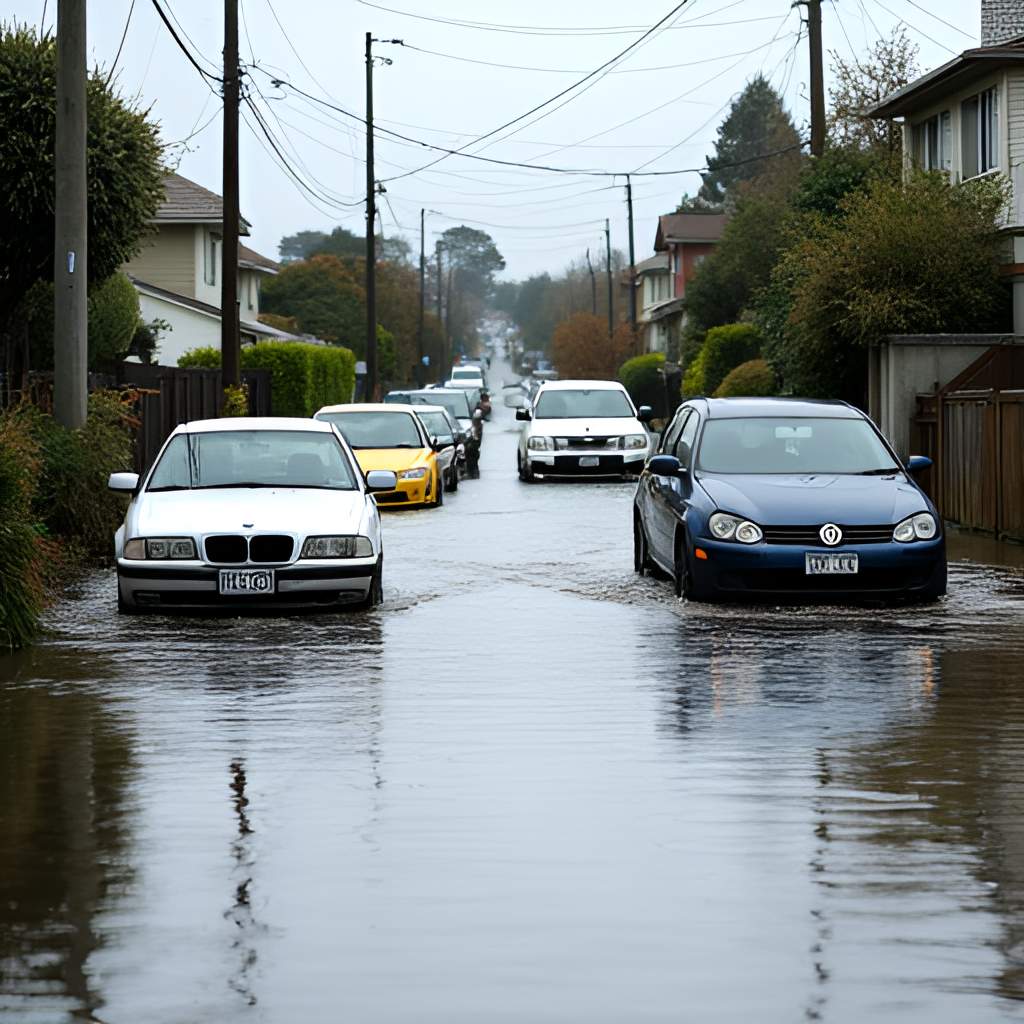
The effects of significant Auckland flooding events ripple far beyond the immediate inundation. The damage to homes and property is often the most visible impact . For individuals and families, losing cherished possessions or having their home deemed uninhabitable is a deeply traumatic experience . The cost of repairs and rebuilding can be astronomical, putting immense financial strain on households, even with insurance . The 2023 floods alone resulted in tens of thousands of insurance claims and expected costs exceeding $1 billion NZD .
Beyond individual properties, infrastructure takes a massive hit. Roads are damaged by floodwaters and slips, leading to widespread disruption of transport networks . Bridges, public transport facilities, and essential services like power and water can be affected . Businesses suffer significant losses due to damage, closure, and disruption to supply chains . The economic impact of the 2023 floods and Cyclone Gabrielle combined was estimated to be in the hundreds of millions of dollars in lost production and activity .
The psychological toll on affected communities is also profound . Experiencing a flood, especially repeated events, can lead to stress, anxiety, and even symptoms of PTSD . The uncertainty of recovery, dealing with insurance companies, and the lengthy process of rebuilding can be incredibly draining . There’s a collective trauma that emerges when large numbers of people go through such events simultaneously .
This image is a fictional image generated by GlobalTrendHub.
Preparing for Future Flooding Events
While authorities like Auckland Emergency Management play a crucial role in response and recovery, individual and household preparedness is absolutely vital when it comes to Auckland flooding . Being prepared can significantly reduce the impact of a flood on you and your family. Here are some key steps you can take:
- Know Your Risk: Use resources like the Auckland Council Flood Viewer to understand if your property is in a flood-prone area or on an overland flow path .
- Develop a Household Emergency Plan: Discuss with your household what you will do in an emergency. Decide on a safe place to go if you need to evacuate and plan your evacuation route, avoiding known flood paths . Remember to include your pets .
- Prepare Your Property: Simple actions like regularly clearing gutters, drains, and downspouts can help manage rainwater runoff from your property . If you live in a flood-prone area, consider ways to make your property more resilient, like adding permeable surfaces .
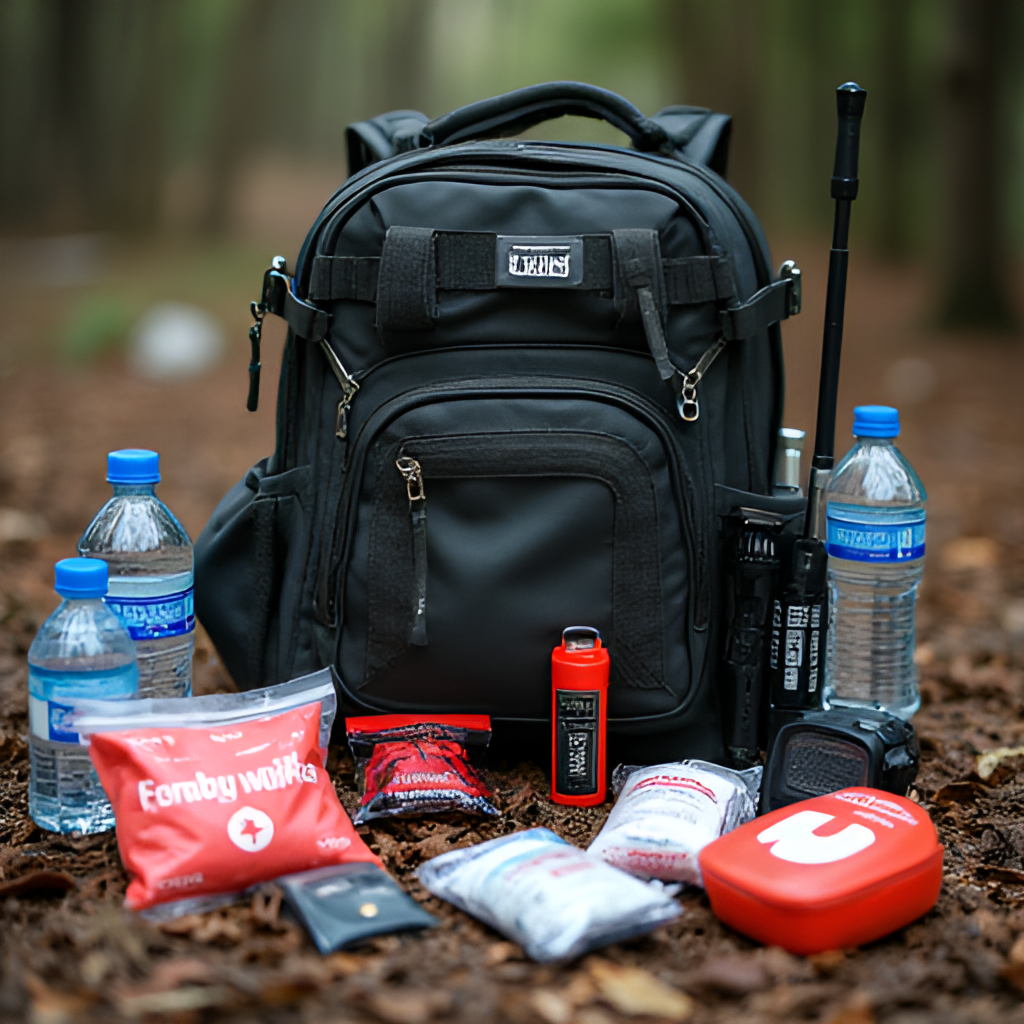
- Assemble an Emergency Kit: Have essential supplies ready in an easily accessible location. This should include water, food, a torch, batteries, a first-aid kit, and any necessary medications .
- Prepare a Grab Bag: This is a smaller kit with essentials you can grab quickly if you need to evacuate immediately.
- Stay Informed: Pay attention to weather forecasts from MetService, especially during periods of heavy rain . Follow advice and warnings from Auckland Emergency Management and other official sources . Sign up for emergency alerts .
- Move Valuables: If you anticipate flooding, move important documents, valuables, and electrical items to higher levels or off the floor .
- Secure Outdoor Items: Tie down or bring inside anything outdoors that could be blown around or washed away .
During a flood, the most important thing is to stay safe. Avoid walking or driving through floodwaters, as they can be deep, fast-moving, contaminated, and contain hidden hazards or even be electrically charged . If you need to evacuate, do so calmly and follow the instructions of emergency services . If water enters your home, turn off the electricity at the mains if it’s safe to do so .
This image is a fictional image generated by GlobalTrendHub.
Building Resilience: A Community Effort
Addressing Auckland flooding long-term isn’t solely about individual preparation; it requires a coordinated effort from Auckland Council, government agencies, businesses, and communities to build greater resilience . This involves investing in and upgrading critical infrastructure, like stormwater systems, to better handle the increasing intensity of rainfall . Auckland Council’s Healthy Waters team is involved in projects aimed at improving drainage and reducing flood risk in specific areas .
Making space for water is a concept gaining traction. This can involve restoring natural flood plains or creating dedicated areas where floodwaters can safely collect without impacting homes or infrastructure . It’s a shift towards working with nature rather than constantly fighting against it. Planning regulations also need to consider flood risk more rigorously, especially in new developments .
Community initiatives and support networks are also vital during and after a flood event. Neighbours helping neighbours, volunteer groups assisting with clean-up, and local organisations providing support services all contribute to the recovery process . Auckland Emergency Management coordinates these efforts, working in partnership with various organisations . The recovery from major floods is a marathon, not a sprint, and requires ongoing support for those affected, addressing not just physical damage but also the financial and mental health impacts .
Furthermore, there’s a growing recognition that we need to adapt to the changing climate. This means continuing to invest in climate research (like that done by NIWA ), understanding the projected impacts for New Zealand , and implementing strategies to reduce our emissions while also preparing for the changes that are already locked in. It’s a complex challenge, but one that Auckland and New Zealand as a whole must face head-on.
Conclusion: Facing Auckland Flooding Together
The reality of Auckland flooding is a significant challenge, exacerbated by a changing climate and the complexities of urban development. Events like the 2023 Anniversary Weekend floods have shown us just how quickly lives can be disrupted and how vulnerable our city is to extreme weather. As someone who cares deeply about this city, I believe a multi-faceted approach is essential. We need continued investment in resilient infrastructure, smarter urban planning, and ongoing research into climate impacts. But equally important is fostering a culture of preparedness within our communities. By understanding the risks, having a plan, and supporting each other, we can navigate the challenges posed by Auckland flooding and work towards a more resilient future for everyone in Tāmaki Makaurau.