Widespread Internet Outages: What Kiwis Need to Know
- Introduction: The Reality of Going Offline in NZ
- Unpacking the Causes of Internet Outages in New Zealand
- The Real Cost: How Network Disruptions Affect Daily Life and Business
- Getting Prepared: Steps to Mitigate Internet Downtime
- Navigating an Outage: Practical Tips When You’re Offline
- Conclusion: Building Resilience Against Future Outages
Widespread internet outages are becoming an increasingly frustrating reality for many Kiwis. We rely on a stable internet connection for just about everything these days – working from home, staying in touch with loved ones, running businesses, even accessing essential services. When the internet goes down across a large area, it doesn’t just feel inconvenient; it can bring daily life to a grinding halt and cost businesses significant amounts of money and reputation. As someone who’s navigated my fair share of broadband problems over the years, both personally and professionally, I’ve seen firsthand the chaos that ensues. Understanding the potential causes, the far-reaching impacts, and crucially, how to prepare for and manage through these network disruptions in New Zealand is essential in our increasingly connected world.
Just recently, we saw a significant outage affect the lower North Island when a Chorus fault temporarily took around 90% of connections offline, impacting areas from Wellington up to Napier. This wasn’t just a minor glitch; it affected approximately 118,000 services for over an hour. Then there was the global IT outage in July 2024, stemming from a flawed software update from a cybersecurity company, which had a ripple effect here in Aotearoa, impacting everything from banking systems and supermarkets to public transport and even Parliament’s systems.
These events highlight our vulnerability. While our internet infrastructure is generally robust, widespread internet outages do happen, sometimes with little to no warning. It pays to be informed and prepared.
Unpacking the Causes of Internet Outages in New Zealand
So, what exactly causes these frustrating blackouts? It’s not always a single, simple answer. From my experience and observing recent events, the causes of internet downtime in NZ can be quite varied.
Technical Faults and Equipment Failure
One of the most common culprits is a technical fault within the network infrastructure itself. This could be anything from a malfunctioning router in a key part of the network, like the Chorus issue in Wellington , to problems with critical equipment like route reflectors that determine how data travels across networks.
Human Error
Sometimes, unfortunately, it comes down to simple human error. The massive lower North Island outage in June 2025 was explicitly attributed by Chorus to human error during planned maintenance work. One wrong command or misplaced cable can have significant, unintended consequences for a large number of users.
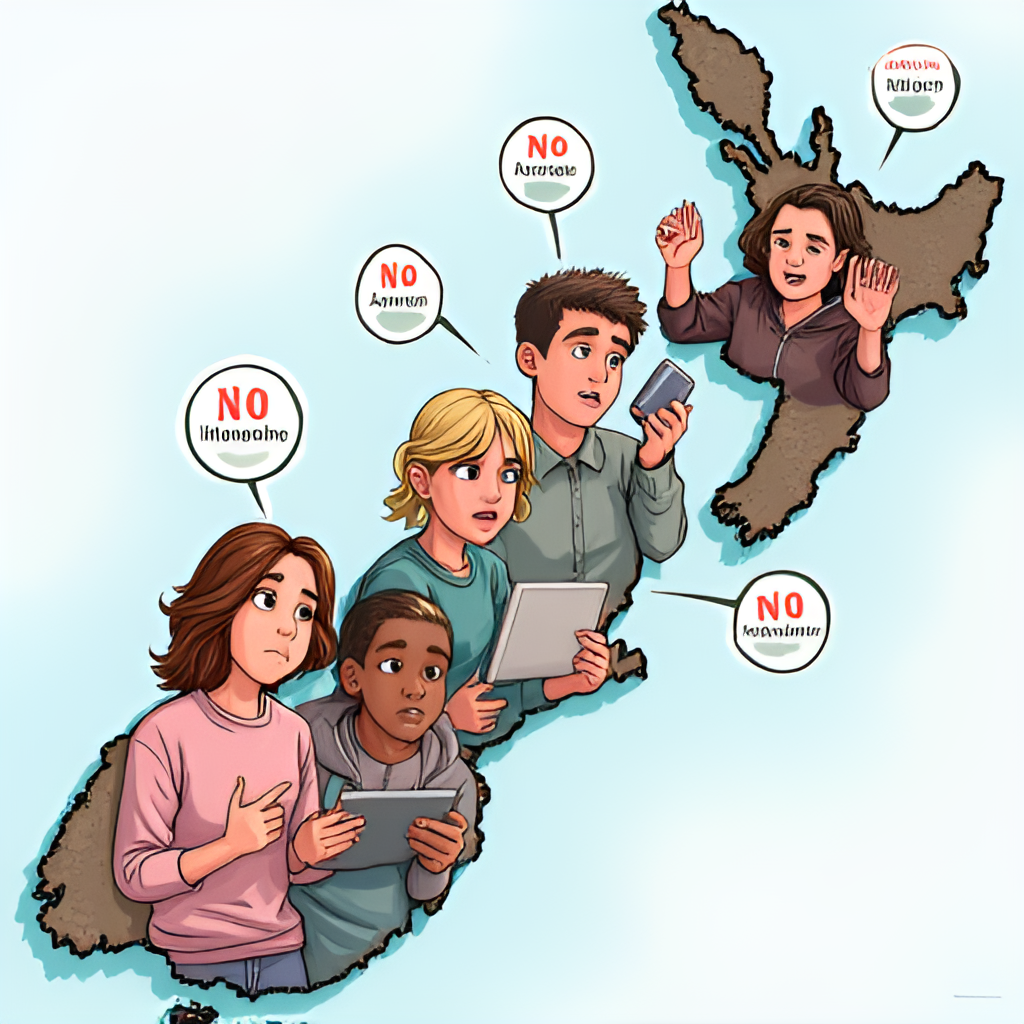
This image is a fictional image generated by GlobalTrendHub.
Physical Damage
Accidents happen. Fibre optic cables that carry our internet traffic can be damaged by things like roadworks, construction (think a digger hitting a cable!), or even natural events like storms or earthquakes. While network providers build in redundancy to reroute traffic when this happens, sometimes the damage is extensive enough to cause widespread issues.
Power Outages
No power, no internet. While internet infrastructure often has backup power systems, prolonged or widespread electricity outages can absolutely lead to internet downtime, especially for homes and businesses that lose power.
Cyber Attacks?
While less common for widespread *physical* infrastructure failure, cyber attacks can potentially disrupt services. Paul Spain, CEO of Gorilla Technology, noted that cyber attacks are among the possible causes of outages, alongside misconfiguration and equipment failure. However, it’s important to note that major recent outages in NZ, like the CrowdStrike event, were classified as software flaws or technical issues, not cyberattacks.
The Real Cost: How Network Disruptions Affect Daily Life and Business
When the internet goes out, it’s more than just annoying; it has tangible consequences. For individuals, suddenly being offline can disrupt work, study, and communication. Trying to attend a video meeting, submit an assignment, or simply call a family member can become impossible if you rely solely on your broadband connection and don’t have a mobile signal or plan with sufficient data.
Impact on Businesses
For businesses, the impact of widespread internet outages can be severe and costly.
- Lost Sales and Revenue: Businesses that rely on online transactions, cloud-based point-of-sale (POS) systems, or online bookings can lose thousands of dollars per hour during downtime. A local cafe owner I know was unable to process Eftpos payments during a recent brief outage, losing several customers.
- Reduced Employee Productivity: If employees can’t access essential online tools, communicate via email or messaging apps, or access cloud documents, work grinds to a halt. This isn’t just frustrating; it’s a direct cost in terms of wasted labour.
- Damaged Reputation: Customers expect businesses to be accessible. If your website is down, your phones aren’t working (because they rely on the internet), or you can’t respond to inquiries, it can lead to frustration and a loss of trust. Repeat outages can cause long-term damage to customer loyalty.
- Disruption to Critical Services: As seen with the CrowdStrike incident, network disruptions can impact essential services like banking, public transport payment systems, and even access to medical records in some cases. This has wide-ranging effects beyond individual businesses.
Beyond the immediate, obvious costs, there are also hidden costs like recovery efforts, potential data loss risks, and decreased employee morale due to frustration.
Getting Prepared: Steps to Mitigate Internet Downtime
Given that widespread internet outages are a possibility, what can we do to prepare? It’s about having a backup plan and knowing where to look for information.
Check Your Provider’s Status Page
The first step when you suspect an outage is to check your internet service provider’s (ISP) network status page. Major providers like Spark, One NZ (formerly Vodafone NZ), and 2degrees have dedicated pages or apps where they post updates on planned maintenance and unplanned outages. Broadband Compare also lists status pages for various NZ ISPs. Checking here can quickly tell you if it’s a known issue in your area or something specific to your connection.
Have a Backup Internet Connection
For businesses or individuals where constant internet access is critical, having a secondary internet connection from a different provider is a robust solution. This reduces the chance that both connections will be affected by the same local fault (like a cable cut). While this means paying for two connections, the cost might be far less than the losses incurred during significant downtime. Some providers can even set up automatic failover, where your network seamlessly switches to the backup connection if the primary one fails.
Consider Cellular Data as a Failover
A more cost-effective backup, especially for homes or smaller businesses, is using cellular data. This could involve having a mobile phone with a good data plan that can act as a hotspot, or a dedicated modem with a SIM card that automatically switches over if your main broadband goes down. Cellular data might be slower than fibre, but it can keep you connected for essential tasks like checking emails or processing payments.

This image is a fictional image generated by GlobalTrendHub.
General Emergency Preparedness
Many of the tips for preparing for power outages also apply to internet outages, particularly those caused by infrastructure damage or power cuts. Keep mobile phones charged, have a portable power bank handy, and don’t rely solely on online communication methods in an emergency. Having a battery-operated radio can also be useful for staying informed.
Navigating an Outage: Practical Tips When You’re Offline
Okay, the inevitable has happened – you’re experiencing widespread internet outages. What now?
- Stay Calm and Check the Status: Before you do anything else, check your ISP’s network status page (if you can access it via mobile data or a neighbour’s connection). Downdetector NZ is another useful site to see if others in your area are reporting issues.
- Restart Your Equipment: Sometimes, the issue might be local. Try restarting your modem and router. It’s the classic IT advice for a reason – it often works!
- Use Mobile Data (Sparingly): If you have mobile data available, use it for essential tasks. Be mindful of your data cap if you’re not on an unlimited plan. Consider using your phone as a hotspot for critical devices if necessary.
- Have Offline Alternatives: Think about tasks you can do offline. Have important documents saved locally, or consider printing out essential information. If running a business, could you revert to manual processes temporarily?
- Communicate: If you’re a business owner, inform your staff and customers about the outage and what you’re doing to resolve it. For individuals, text messages are usually more reliable than data-dependent messaging apps during network strain.
- Be Patient: Network providers work to resolve widespread issues as quickly as possible, but it can take time. Acknowledging that it’s likely a bigger issue than just your connection can help manage frustration.
Remember the Chorus outage? Services were back online within about 1.5 hours. While inconvenient, these disruptions are often actively being worked on by engineers.
Conclusion: Building Resilience Against Future Outages
While our digital lives are incredibly convenient, recent events underscore our reliance on stable internet connectivity. Widespread internet outages, whether caused by technical faults, human error, or physical damage, can significantly impact both our personal lives and the economy here in New Zealand. By understanding the potential causes and impacts of broadband problems, and by taking proactive steps like knowing where to check for updates and having backup connectivity options, we can build greater resilience against future disruptions. Being prepared isn’t about expecting the worst; it’s about ensuring that when internet downtime inevitably occurs, we’re better equipped to navigate it and minimise the impact. Let’s hope for uninterrupted service, but plan for when the unexpected happens.