Water Cremation in New Zealand: A Gentler, Greener Farewell
- Introduction: Exploring Water Cremation Down Under
- What Exactly is Water Cremation?
- Bringing Water Cremation to Aotearoa: A Path Less Travelled
- The Environmental Edge: Why it’s the Sustainable Choice
- Understanding the Process and the Outcome
- Cost: How Does it Stack Up?
- Comparing Water Cremation to Other Options
- Is Water Cremation Right for You?
- Conclusion: Water Cremation’s Place in New Zealand’s Future
Water cremation, also known as aquamation or alkaline hydrolysis, is making waves in New Zealand as a compelling, environmentally conscious alternative to traditional flame cremation and burial. Having followed the journey of bringing this option to Aotearoa for some time, I’ve been fascinated by the technology and its potential impact. It offers a different way to approach end-of-life care, one that aligns with a growing desire for more sustainable practices.
The idea of dissolving a body in water might sound unusual at first, but it’s a process that mimics nature’s own decomposition, just significantly accelerated. This method, often called water cremation, is gaining traction globally for its reported environmental benefits and gentle nature. In this article, we’ll delve into what water cremation entails, its journey to becoming available in New Zealand, its environmental advantages, and what it means for families here.
What Exactly is Water Cremation?
At its core, water cremation is a process of accelerated natural decomposition using water and alkaline chemicals. Scientifically known as alkaline hydrolysis, it involves placing the body in a sealed stainless-steel vessel (sometimes called a ‘resomator’). This chamber is then filled with a solution, typically 95% water and 5% an alkaline substance like potassium hydroxide.
The mixture is heated to temperatures ranging from around 98°C to 160°C and often pressurised. This combination of water, alkali, heat, and sometimes agitation gently breaks down the body’s tissues into their basic chemical components over a period of about 4 to 16 hours, depending on the specific process used.
Think of it like a sped-up version of what happens naturally when a body decomposes in soil, but in a controlled and sterile environment. The alkaline solution essentially dissolves everything except for the inorganic bone minerals and any medical implants, like pacemakers or titanium joints, which remain clean and can often be recycled.
Bringing Water Cremation to Aotearoa: A Path Less Travelled
For years, water cremation wasn’t a legal option for human remains in New Zealand. The existing Burial and Cremation Act of 1964 primarily catered to traditional burial and flame cremation. This meant that while the technology existed and was being used in other countries like the US, Canada, and Australia, Kiwis didn’t have access to this potentially more sustainable choice for themselves or their loved ones.
However, there has been a dedicated push to change this. Groups like Water Cremation Aotearoa have advocated for its legalisation, working with the Ministry of Health on reviewing the outdated legislation. It’s been described as a “long battle” by those involved.
The good news is, that battle has been won! New Zealand’s first human water cremation facility recently opened its doors in Christchurch in June 2025, thanks to a partnership between Water Cremation Aotearoa and funeral directors Bell, Lamb & Trotter. This marks a significant moment, finally offering this alternative death care option to Kiwi families. It’s worth noting that alkaline hydrolysis for pets has been available in NZ for a few years now, pioneered by businesses like Pet Angel Wings in Masterton.
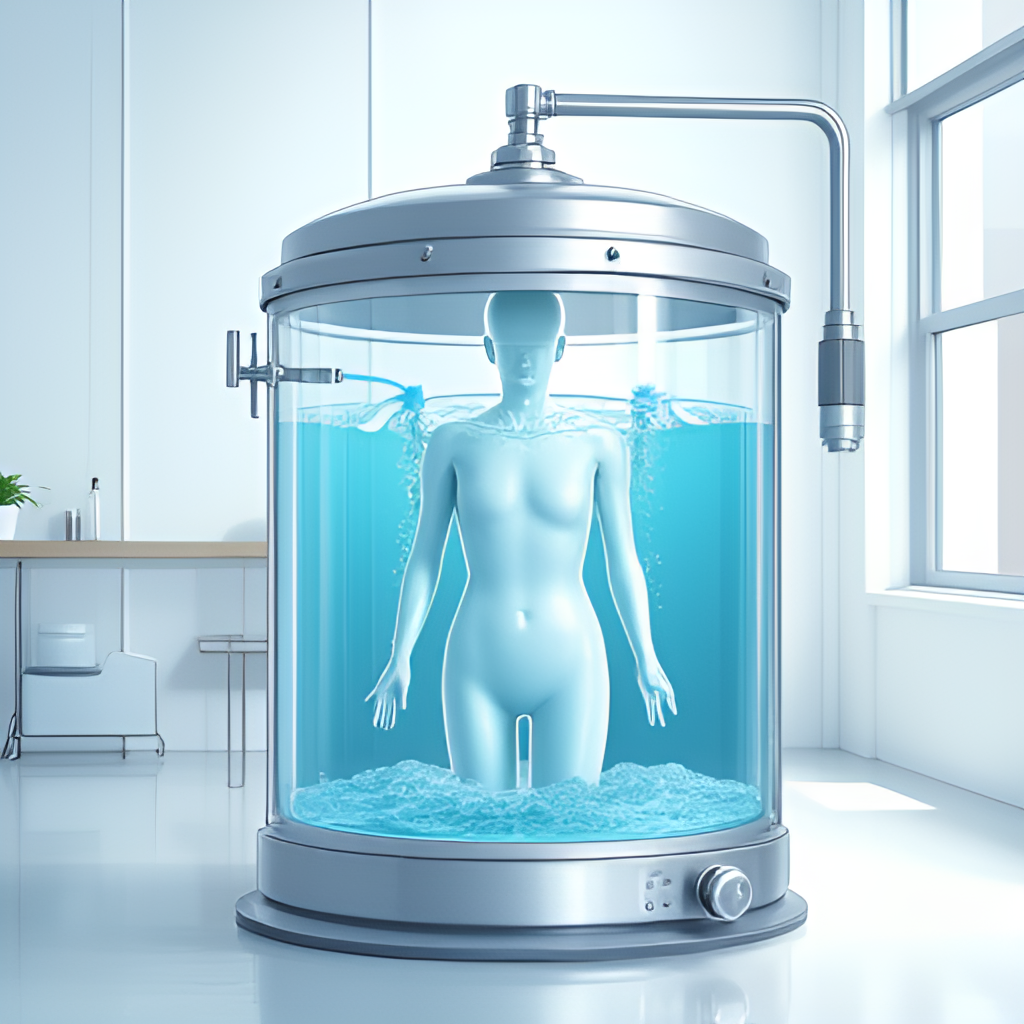
This image is a fictional image generated by GlobalTrendHub.
The Environmental Edge: Why it’s the Sustainable Choice
One of the most compelling arguments for water cremation is its significantly lower environmental impact compared to traditional flame cremation. When you cremate a body using fire, it requires intense heat and uses fossil fuels, releasing carbon dioxide and other potential pollutants into the atmosphere. A single flame cremation can produce around 180 to 240 kg of carbon emissions.
Alkaline hydrolysis, on the other hand, uses electricity to heat the water and solution. It requires up to 90% less energy than flame cremation and produces only about 1/10th of the carbon footprint. Crucially, there are no harmful air emissions, such as mercury from dental fillings, which are a concern with traditional burning.
The liquid that remains after the process is sterile and contains organic compounds like amino acids and salts – essentially the building blocks of life. This liquid is treated by the local wastewater facility and safely returned to the water cycle, often even helping to clean the water as it flows through the system. This contrasts with the air emissions from flame cremation. It truly feels like a process that is gentler on the planet, aligning with growing concerns about climate change and leaving a lighter footprint.
Understanding the Process and the Outcome
Let’s get a little more specific about what happens during water cremation. After the body is gently placed in the resomator, the alkaline solution is added and the vessel is sealed. The temperature and pressure are precisely controlled to facilitate the breakdown of soft tissues.
Once the cycle is complete (which, as mentioned, can take several hours), the sterile liquid is drained. What remains inside the vessel are the clean, brittle bone fragments and any non-organic materials like medical implants. These bone fragments, primarily calcium phosphate, are then rinsed and dried. Unlike the often greyish, coarser remains from flame cremation, the bone fragments from alkaline hydrolysis are typically white and more porous.
Just like with traditional cremation, these dried bone fragments are then processed into a fine powder, often referred to as ashes, which are returned to the family in an urn or other container. Interestingly, alkaline hydrolysis typically yields about 20-30% more “ashes” by volume compared to flame cremation. Families have various options for these remains, similar to flame cremation, including keeping them, burying them, or scattering them.

This image is a fictional image generated by GlobalTrendHub.
Cost: How Does it Stack Up?
When considering end-of-life options, cost is often a significant factor for families. While traditional burial can be quite expensive due to plot costs, caskets, and ongoing maintenance, both flame cremation and water cremation tend to be more affordable alternatives.
In New Zealand, the cost of water cremation is becoming clearer now that the service is available. Bell, Lamb & Trotter list a “Simple Farewell” water cremation from $4,837 and a “Full Life Celebration” option at $12,802. News reports citing the Christchurch facility mentioned a starting price of $1350, which is noted as being a bit cheaper than flame cremation partly because a casket isn’t needed – a biodegradable shroud made from materials like New Zealand wool is used instead. This suggests that a basic direct water cremation service might be competitively priced or even less expensive than a basic flame cremation.
Globally, some sources suggest water cremation can be slightly more expensive than traditional cremation due to the technology costs, but still considerably less than burial. It seems in the NZ context, the cost is positioned to be accessible and potentially offer savings depending on the services chosen.
Comparing Water Cremation to Other Options
Beyond cost and environmental impact, how does water cremation compare to the other choices available in New Zealand – flame cremation and burial?
- Vs. Flame Cremation: The key differences lie in the process (water/alkali vs. fire/heat), environmental impact (significantly lower emissions and energy use for water cremation), and the nature of the remains (whiter, finer, more volume with water cremation). Many find the water-based process to be gentler and more peaceful than combustion.
- Vs. Traditional Burial: Burial requires land space, can involve embalming chemicals (which can leach into the soil), and caskets that may not decompose quickly. Water cremation uses no land space (beyond the facility itself), avoids embalming if chosen, and has minimal environmental output beyond treated water.
- Vs. Natural Burial: Natural burial is another eco-friendly option available in NZ, focusing on decomposition directly in the earth without chemicals or non-biodegradable materials. While also environmentally sound, water cremation is a contained, accelerated process resulting in ‘ashes’, offering a different ceremonial and memorialisation pathway than a gravesite in a natural burial ground.
Is Water Cremation Right for You?
Choosing how to care for a body after death is a deeply personal decision, often influenced by cultural, religious, and personal values. The introduction of water cremation in New Zealand provides another valid and increasingly accessible option.
For those who are passionate about environmental sustainability and minimising their carbon footprint, water cremation offers a compelling advantage over traditional cremation. It’s also perceived by many as a gentler, more dignified process than being subjected to intense heat.
If you’re considering this for yourself or discussing end-of-life wishes with family, learning about the process, understanding the environmental benefits, and talking to funeral directors who offer this service is crucial. Bell, Lamb & Trotter, as the first provider, would be a key contact in the Christchurch area, and as it becomes more established, other providers might follow suit across the country. Learn more about their services here.
Ultimately, the choice comes down to what feels right for you and your family, balancing emotional comfort, practical considerations, and personal values, including care for the environment. Exploring natural burial options in New Zealand is also worthwhile if environmental impact is a primary concern.
Conclusion: Water Cremation’s Place in New Zealand’s Future
The availability of water cremation in New Zealand marks a significant step forward in offering more diverse and environmentally sustainable end-of-life choices. This method, also known as alkaline hydrolysis or aquamation, provides a gentler and greener alternative to traditional flame cremation and burial.
As we collectively become more aware of our impact on the planet, options like water cremation will likely become increasingly popular. It’s exciting to see New Zealand join other countries in embracing this technology, offering families a way to honour their loved ones while also honouring their commitment to environmental stewardship. The journey to this point has been a long one, but the presence of water cremation in New Zealand now offers a meaningful new perspective on final disposition, one that is both respectful and sustainable for future generations.