Christchurch Road Sinkhole: Understanding the Disruption and Why it Happens
- The Ground Opens Up: A Christchurch Reality
- The Recent Fendalton Road Sinkhole Event
- Understanding Why Sinkholes Happen in New Zealand
- Water: Often the Root Cause of Road Sinkholes
- Christchurch’s Infrastructure Challenges
- Living with Sinkholes: Disruption for Residents and Commuters
- Repairing the Road Collapse: What Happens Next?
- Looking Ahead: Building a More Resilient Christchurch
- Navigating the Future of Christchurch’s Roads
The christchurch road sinkhole phenomenon is something many of us in Canterbury have become, perhaps unfortunately, a little too familiar with. It seems like just when things are running smoothly, the ground decides to remind us who’s really in charge, causing unexpected chaos on our daily commutes and impacting local communities. Having lived in Christchurch for several years, I’ve seen firsthand the disruption these sudden holes can cause, and honestly, it makes you wonder what’s really going on beneath our feet.
The Recent Fendalton Road Sinkhole Event
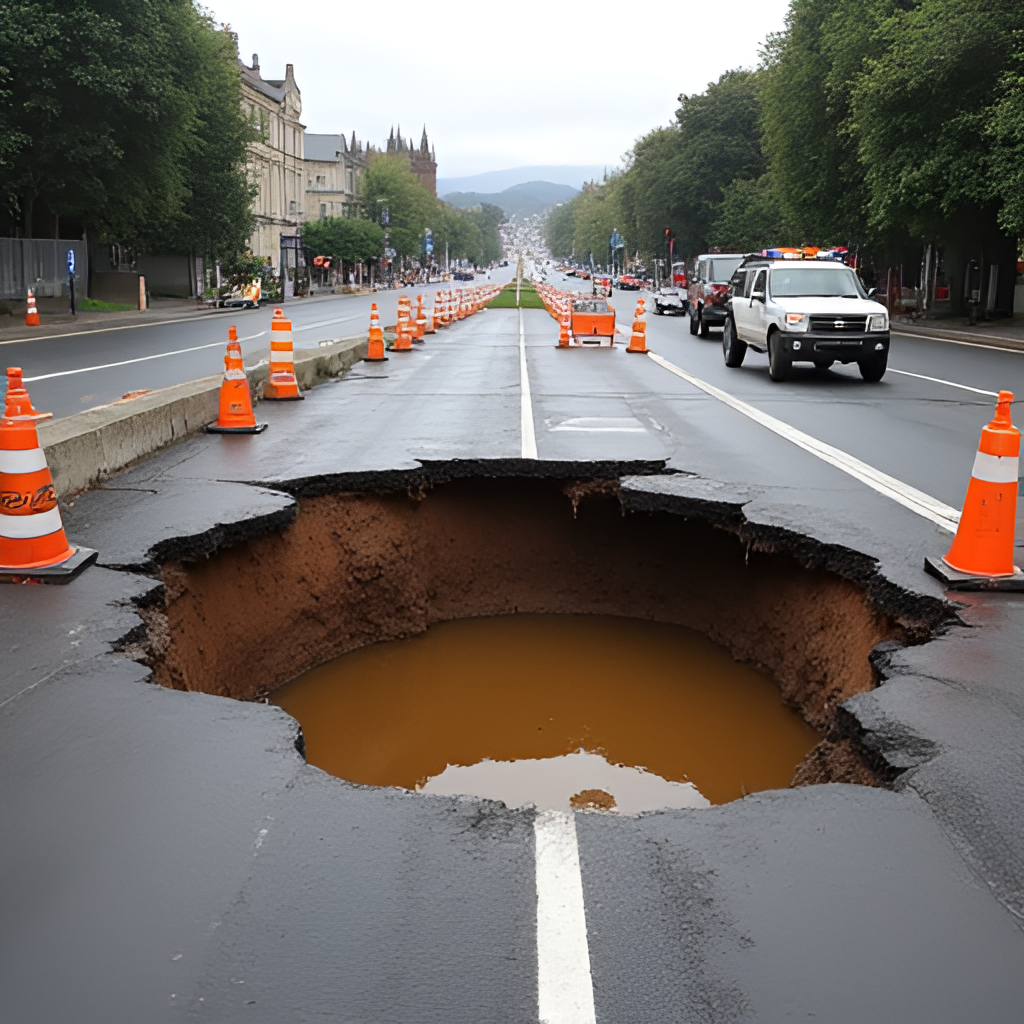
Just this week, a significant christchurch road sinkhole opened up on Fendalton Road, a major arterial route. It happened on the morning of Friday, June 5, near the recognisable landmark of St Barnabas Church. I remember hearing about it on the radio during my morning drive and thinking, “Oh no, not again!” This particular incident was attributed to a burst 200mm water main. Burst pipes are, sadly, a fairly common cause of such events, especially in areas with aging infrastructure.
The immediate aftermath saw contractors rushing to the scene, working to pump water out of the growing cavity. It wasn’t long before the road surface gave way, creating a substantial hole. One local resident, Rachel Alexander, described it as “a good one metre or two metres wide”. Imagine seeing that on your street! The disruption was instant and widespread, leading to traffic diversions and significant delays for anyone trying to get around the area. A taxi even drove into the hole, sustaining damage before it could be recovered. It just goes to show how quickly these situations can escalate and catch people unawares.
Beyond the traffic headaches, this Fendalton road sinkhole also left about 50 properties in the surrounding area without water. For families relying on that essential service, it’s a major inconvenience. While the council worked quickly, aiming for repairs to be completed reasonably swiftly, the reality of such incidents highlights the vulnerability of our underground services.
This image is a fictional image generated by GlobalTrendHub.
Understanding Why Sinkholes Happen in New Zealand
Sinkholes, or ‘tomo’ as they are sometimes known in Māori, are essentially depressions or holes in the ground caused by the collapse of the surface layer into an underground cavity. While they might seem random, they typically form due to a combination of natural geological factors and human activities.
Naturally, sinkholes can occur in areas where the bedrock is soluble, like limestone. New Zealand has regions with significant limestone formations, such as Waitomo, where water slowly dissolves the rock over thousands of years, creating underground caves and voids. Eventually, the ground above these voids can no longer support its own weight and collapses. Volcanic activity can also contribute by creating underground spaces that may later collapse.
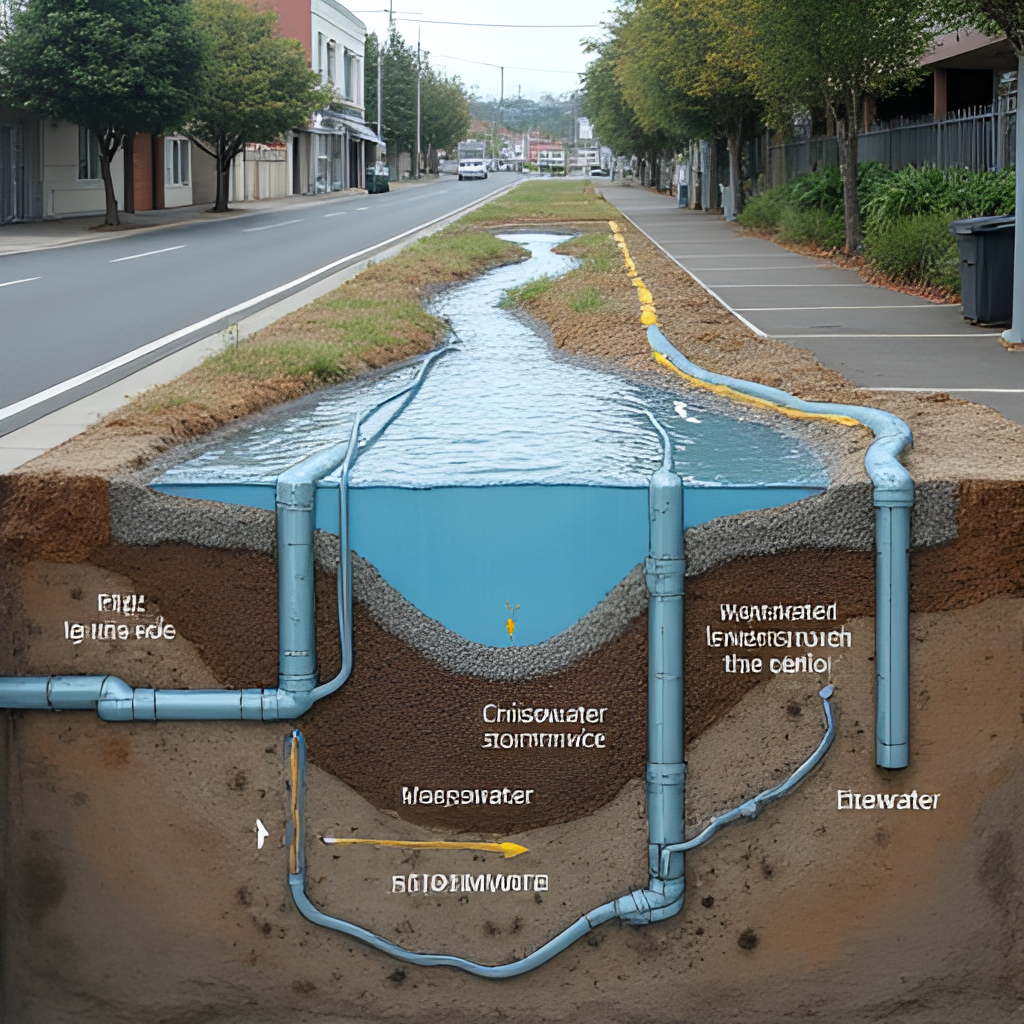
However, in urban environments like Christchurch, human activity often plays a significant role. Leaking or burst underground pipes – whether for water supply, wastewater, or stormwater – are major culprits. The escaping water erodes the soil and sediment surrounding the pipe, washing it away and creating cavities underground. Over time, these cavities grow, and the surface above becomes unsupported, leading to a sudden collapse. Heavy rainfall can significantly worsen this issue by saturating the ground and increasing underground water flow, accelerating erosion and putting extra pressure on underground infrastructure.
Water: Often the Root Cause of Road Sinkholes
Think about it: our cities have vast networks of pipes buried beneath the roads. These pipes carry fresh water to our taps and take away wastewater and stormwater. If one of these pipes leaks or bursts, particularly a water main with pressurised water, it can quickly erode the surrounding soil. Christchurch, with its silty soil conditions in some areas, can be particularly susceptible to this type of erosion caused by flowing water. This process can happen gradually, often unnoticed, until the void is large enough to cause a sudden road collapse. That’s why a broken pipe is so often linked to a Christchurch sinkhole, like the recent event on Fendalton Road.
Construction and excavation activities can also sometimes impact ground stability, potentially leading to voids or disturbing existing underground conditions that could contribute to sinkhole formation. It’s a complex interplay between the natural ground conditions and the maze of infrastructure we’ve built beneath the surface.
Christchurch’s Infrastructure Challenges
Christchurch’s infrastructure has faced immense challenges, particularly since the 2010 and 2011 earthquakes. These events caused extensive damage to underground pipe networks and roads, and liquefaction exacerbated the issues by forcing sediment into pipes and creating voids. The Stronger Christchurch Infrastructure Rebuild Team (SCIRT) was established to oversee the massive task of repairing and rebuilding the city’s horizontal infrastructure, including roads and water networks.
Even with the significant rebuild efforts, maintaining and upgrading aging infrastructure remains an ongoing challenge for the city. The Christchurch City Council’s Draft Long Term Plan for 2024-2034 highlights the need for substantial investment in renewing and replacing existing assets, including roads and water supply systems. Resident satisfaction surveys indicate that core infrastructure, including roads and water supply, is an area where improvements are desired. This suggests that issues like burst water mains and resulting road collapses are symptoms of the wider, complex task of managing an extensive and aging network.
This image is a fictional image generated by GlobalTrendHub.
Living with Sinkholes: Disruption for Residents and Commuters
For those of us living in or commuting through Christchurch, a sudden road collapse can throw our day into disarray. Traffic immediately grinds to a halt or is diverted, adding significant time to journeys. The Fendalton road sinkhole caused considerable traffic build-up in the suburb. I know from personal experience how frustrating it is to be stuck in unexpected traffic, not knowing how long the delay will be or the best way to get around it. You quickly learn to check traffic updates before you leave home!
Beyond traffic, as seen with the Fendalton incident, water supply can be affected. Losing water, even for a few hours, impacts daily routines, from showering and flushing toilets to simply getting a drink. It’s a stark reminder of how reliant we are on these hidden systems working correctly. For businesses in affected areas, access issues and loss of services can also have a tangible economic impact.
Repairing the Road Collapse: What Happens Next?
When a sinkhole appears, the immediate priority is safety. The area is cordoned off to prevent vehicles or pedestrians from falling in. Then, investigators need to determine the cause. Was it a burst pipe? Natural erosion? Once the cause is identified, the necessary repairs can begin. If a pipe is damaged, that needs to be fixed first to stop the source of the water flow causing the erosion.
Repairing the hole itself typically involves filling the underground cavity and the surface depression with suitable material, often compacted aggregate or concrete. The road surface then needs to be rebuilt. This process can be complex and time-consuming, especially on a busy road, requiring careful planning and execution to minimise further disruption. The council provides updates on expected repair times, but sometimes unforeseen issues can extend the work. The Fendalton road sinkhole repair was initially expected to be completed quickly, but road closures continued as work progressed.
Looking Ahead: Building a More Resilient Christchurch
The frequency of events like the Fendalton Road sinkhole highlights the ongoing challenge of maintaining resilient infrastructure in Christchurch. “Resilience” is a word that gained significant meaning here after the earthquakes, focusing not just on bouncing back but on adapting and co-creating a new normal in the face of future challenges. While natural geological factors play a part in sinkholes, the condition of our underground pipe networks is clearly a critical vulnerability in an urban setting.
Investment in infrastructure upgrades and proactive maintenance are essential steps. The council’s long-term plans to spend billions on renewing aging assets are crucial for improving the reliability of our essential services and reducing the likelihood of these disruptive events. It’s a massive undertaking, balancing the need for vital work with the impact on ratepayers and daily life. Continued focus on understanding geological risks and ensuring robust building and infrastructure standards are also key components of building a more resilient city. You can find more information on Christchurch’s resilience efforts on the Christchurch City Council website.
While we can’t predict exactly when or where the next sinkhole might appear, understanding the causes and supporting ongoing infrastructure investment is vital for the city’s future. For instance, learning about ground conditions and infrastructure from official sources can be helpful – check out resources like GeoNet for geological information specific to New Zealand.
Navigating the Future of Christchurch’s Roads
In conclusion, the recent christchurch road sinkhole on Fendalton Road serves as a timely reminder of the dynamic nature of the ground beneath us and the constant need to maintain our essential infrastructure. As someone who navigates these roads daily, I know the frustration these events cause. However, understanding that they are often linked to factors like aging pipes and heavy rain, rather than just appearing out of nowhere, helps frame the issue. Christchurch has come a long way in rebuilding its infrastructure since the earthquakes, and the ongoing commitment to renewal outlined in the Long Term Plan is encouraging.
While sinkholes may continue to be an occasional challenge, by investing in our infrastructure, improving maintenance, and staying informed about the risks, we can work towards a more resilient city. The goal is to minimise disruptions and ensure that our roads and underground services are as robust as possible for the future. Ultimately, navigating the future of Christchurch’s roads means supporting the necessary work to keep them safe and reliable for everyone.