Jacinda Ardern: A Different Kind of Power
- Introduction: The Rise of Jacinda Ardern
- Leading with Empathy: Ardern’s Distinctive Style
- Navigating Major Crises: Christchurch and COVID-19
- Policy Under Ardern: Addressing Social and Environmental Issues
- Challenges and the Decision to Resign
- Jacinda Ardern’s Enduring Legacy
- Reflecting on a Transformative Leader
Jacinda Ardern: A Different Kind of Power swept onto the global stage in 2017, becoming New Zealand’s youngest Prime Minister in over 150 years at the age of 37. Her rise was nothing short of meteoric, taking the helm of the Labour Party just weeks before a general election and revitalizing its fortunes with a wave of “Jacindamania.” I remember watching from afar, fascinated by this seemingly fresh face in politics who promised a more compassionate approach. Her impact has been significant, not just in New Zealand but on the international stage, redefining perceptions of leadership in the 21st century. This article delves into the journey of Jacinda Ardern, exploring her unique leadership style, the major challenges she faced, her key policy initiatives, and the lasting legacy she leaves behind.
Leading with Empathy: Ardern’s Distinctive Style
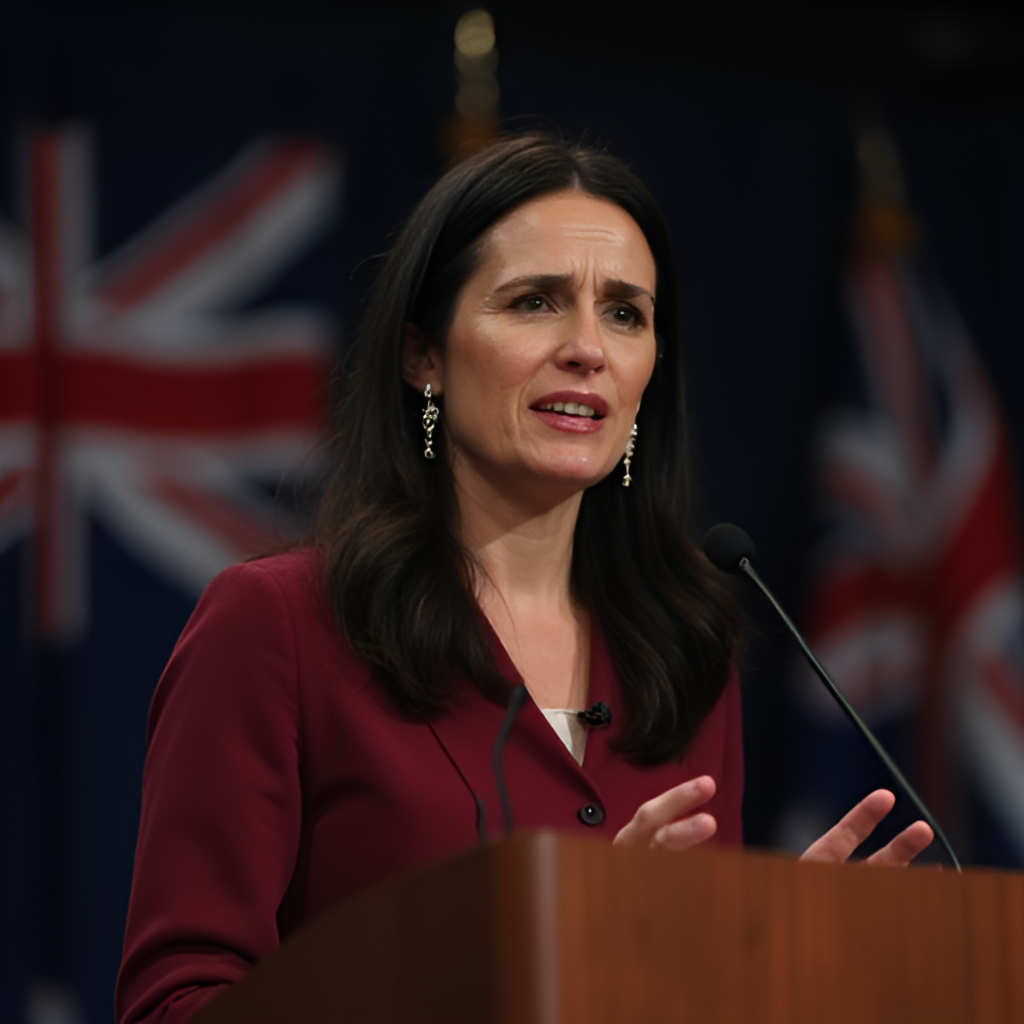
One of the most striking aspects of Jacinda Ardern’s time in office was her emphasis on empathetic leadership. In an era often characterized by strongman politics and division, Ardern offered a stark contrast, prioritizing kindness, compassion, and unity. My experience observing political leaders suggests that authenticity can be a powerful tool, and Ardern seemed to embody this. She was often described as approachable and down-to-earth, capable of connecting with everyday New Zealanders. This approach was evident in her communication style, which was clear, consistent, and focused on bringing people together, particularly during times of crisis. It’s refreshing to see a leader openly discuss traits like sensitivity and empathy, not as weaknesses, but as strengths.
Ardern herself has spoken about leading with empathy and how it was a throughline in her political career, driven by her concern for issues like child poverty. She believed in staying connected to the people she was making decisions about, emphasizing that embracing emotion can be an effective way to work with those who hold varying opinions.
This image is a fictional image generated by GlobalTrendHub.
Navigating Major Crises: Christchurch and COVID-19
Jacinda Ardern’s tenure was arguably defined by her response to unprecedented crises. The tragic Christchurch mosque shootings in March 2019 tested her leadership in the most profound way. Her swift, compassionate, and resolute response garnered international acclaim. Within days, she implemented a ban on military-style semi-automatic firearms, a decisive action that I believe many leaders would find challenging to enact so quickly. Her message of “They are us,” in solidarity with the Muslim community, resonated deeply and set a powerful example for how to respond to acts of terror with unity and grace.
Just a year later, New Zealand, like the rest of the world, was hit by the COVID-19 pandemic. Ardern’s government adopted a strict elimination strategy early on, implementing tough lockdown measures and closing borders. While these policies were not without their critics and led to some domestic frustration as they continued, they were credited with saving thousands of lives and resulted in one of the lowest COVID-19 death rates in the Western world. It required difficult decisions, balancing public health with economic impacts, and Ardern’s consistent communication during daily briefings became a hallmark of this period for many Kiwis.
Policy Under Ardern: Addressing Social and Environmental Issues
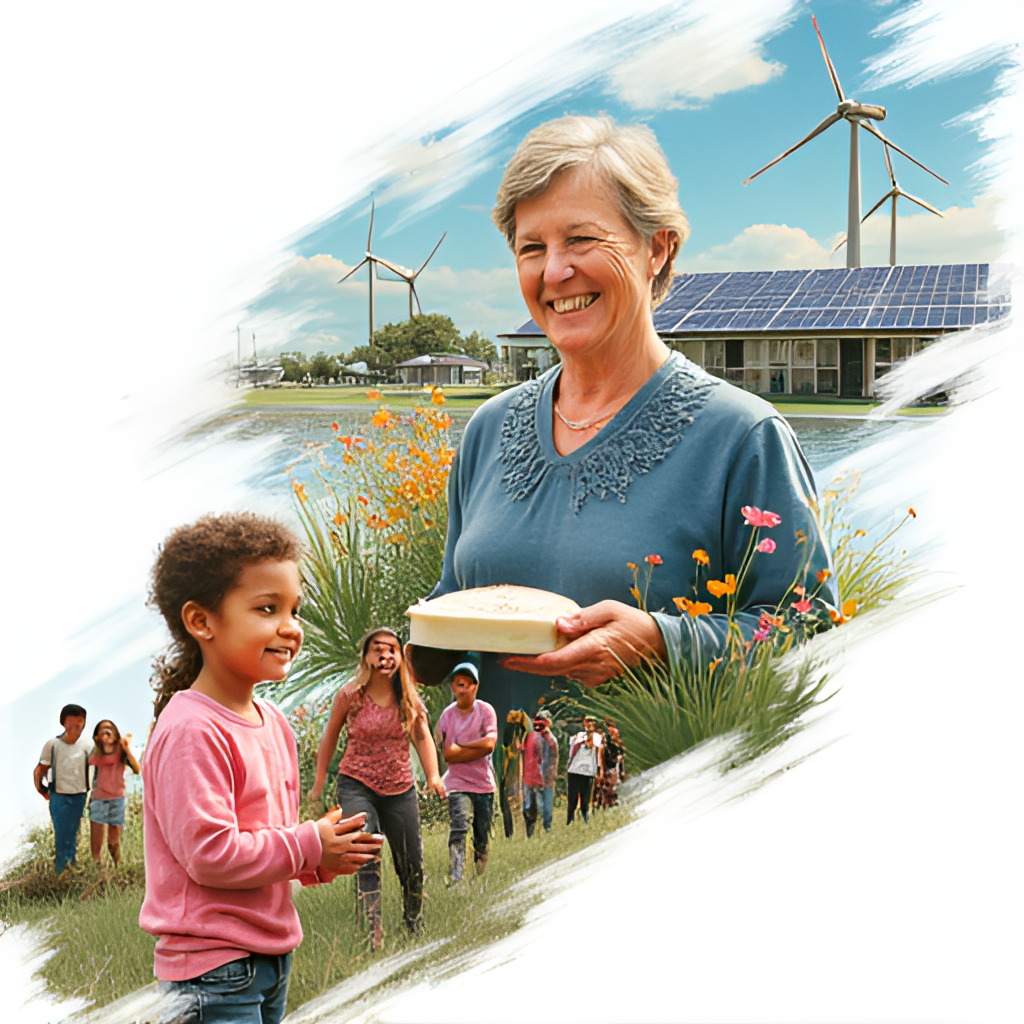
Beyond crisis management, Jacinda Ardern’s government pursued a range of progressive policies aimed at addressing social inequality and climate change. One notable initiative was the introduction of the Families Package, aimed at reducing child poverty, alongside measures like the Winter Energy Payment and free school lunches. While challenges in fully eradicating child poverty remain, legislative architecture was put in place to ensure future progress.
Climate change was another key priority. In 2019, her government passed the Zero Carbon Amendment Bill, setting a legal framework for net-zero carbon emissions. This commitment to environmental action was further highlighted by declaring a climate change emergency in 2020.
Other significant policies included efforts to close the gender pay gap, making period products freely available in schools, banning conversion therapy, and decriminalizing abortion. Her government also introduced the world’s first Wellbeing Budget in 2019, aiming to place the health and wellbeing of people at the heart of government spending. From my perspective, these policies reflect a clear intention to create a more equitable and sustainable society.
This image is a fictional image generated by GlobalTrendHub.
Challenges and the Decision to Resign
Despite her international popularity, Jacinda Ardern’s time as Prime Minister wasn’t without its domestic challenges and criticisms. Economic issues, including housing shortages and ongoing child poverty, remained persistent problems that her government struggled to fully resolve. As the initial success of the COVID-19 elimination strategy gave way to prolonged restrictions, her popularity at home began to decline, and her government faced increasing scrutiny. There’s no denying that leading through such turbulent times takes a significant toll.
In a move that surprised many, Ardern announced her resignation in January 2023, citing burnout and the fact that she “no longer had enough in the tank” to continue. This honest acknowledgment of the immense pressure of the job resonated with people globally and sparked conversations about the sustainability of leadership roles. Her decision to step down on her own terms, without being forced out, was seen by some as a demonstration of courage and self-awareness.
Jacinda Ardern’s Enduring Legacy
Jacinda Ardern’s legacy is multifaceted. Internationally, she is widely seen as an icon of empathetic and compassionate leadership, particularly for her responses to the Christchurch attack and the early stages of the pandemic. She challenged traditional perceptions of leadership, demonstrating that vulnerability and kindness can coexist with strength and decisiveness. Her status as one of the few world leaders to give birth in office also solidified her image as a trailblazer.
Domestically, her legacy is perhaps more debated, with some pointing to policy areas where more progress was needed. However, she undeniably brought a different tone to New Zealand politics, focusing on inclusivity and community. Her government laid the groundwork for significant future changes in areas like climate action and child poverty reduction.
Since leaving office, Ardern has taken on international roles, including fellowships at Harvard University and work related to the Earthshot Prize, continuing to advocate for causes she championed as Prime Minister. Her memoir, “A Different Kind of Power,” offers further insights into her experiences and perspectives.
Reflecting on a Transformative Leader
In conclusion, Jacinda Ardern’s time as Prime Minister of New Zealand was marked by extraordinary challenges and a distinctive leadership style. The focus keyphrase, Jacinda Ardern: A Different Kind of Power, truly encapsulates her approach. She navigated crises with empathy and resolve, championed progressive policies, and, in her departure, highlighted the human cost of high-pressure leadership roles. While assessments of her policy achievements may vary, her impact on the global conversation around leadership, particularly the value of kindness and authenticity in politics, is undeniable. As someone who followed her career with interest, I believe Jacinda Ardern has left an indelible mark on New Zealand’s history and offered a compelling vision for what leadership can be in the modern world.