Weather Warnings in New Zealand: Staying Safe When Nature Roars
- Introduction: The Importance of Weather Warnings in New Zealand
- Understanding the MetService Warning System
- Decoding the Different Types of Weather Warnings
- Practical Steps for Preparing for Severe Weather
- What to Do When a Weather Warning is Active
- Weather Warnings: More Than Just Forecasts
- Conclusion: Taking Weather Warnings Seriously
Weather warnings in New Zealand are a critical part of life, helping us navigate the often unpredictable and sometimes extreme conditions this beautiful country can throw at us. Living in a place known for its rapidly changing weather – seriously, sometimes you feel like you get four seasons in one day! – I’ve learned that paying attention to NZ weather alerts isn’t just a good idea, it’s absolutely essential for staying safe. From sudden heavy rain that can swell rivers in minutes to strong winds that can whip up out of nowhere, severe weather notifications NZ are our first line of defence.
Understanding the MetService Warning System
New Zealand’s official source for severe weather information is MetService. They are the sole authorised provider of severe weather alerts and do a fantastic job of monitoring conditions across the country. Their system is designed to give people as much lead time as possible, using a tiered approach that helps you understand the potential severity and timing of an event. It’s not just about knowing *if* bad weather is coming, but *when* and *how bad* it might be. Frankly, understanding this system has made a huge difference in how prepared I feel.
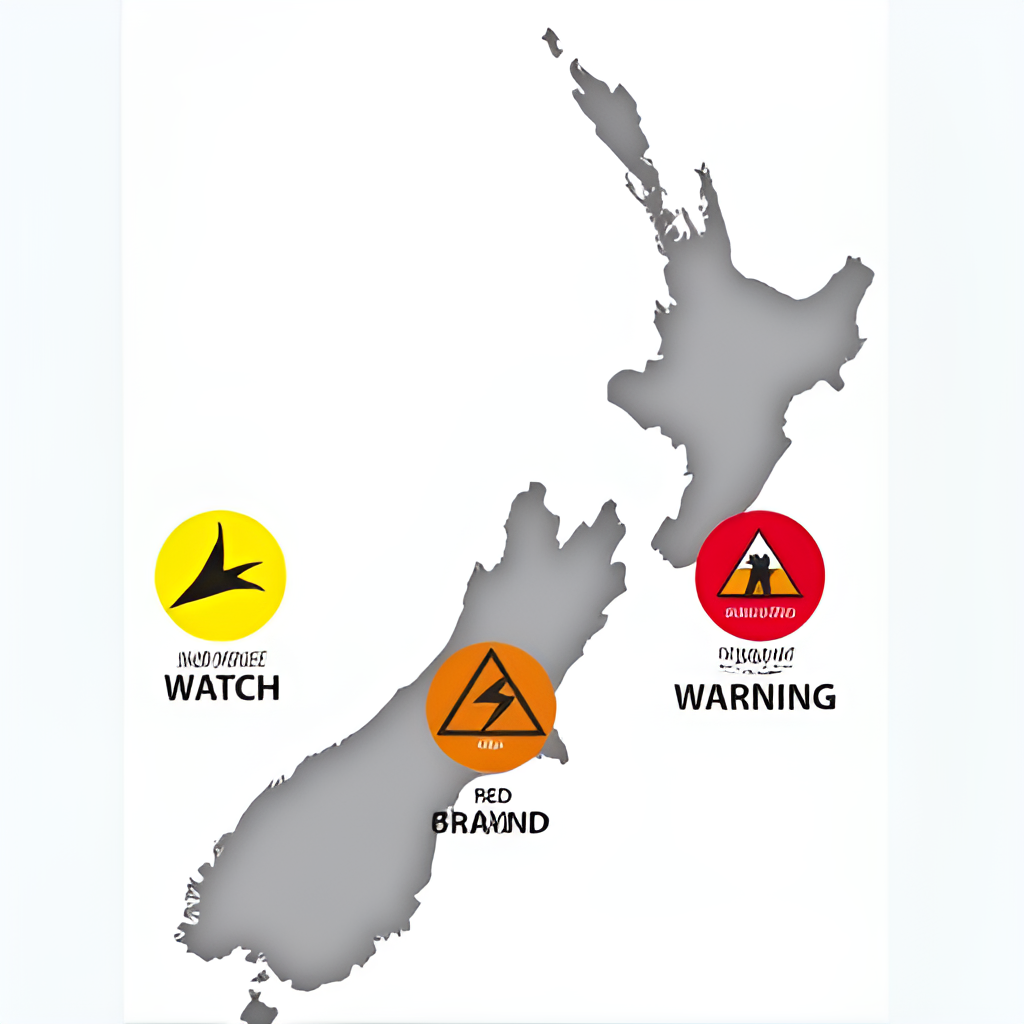
MetService uses a colour-coded system for their severe weather notifications NZ: Yellow, Orange, and Red. Think of it like a traffic light for the sky! Yellow is a ‘Watch,’ meaning be alert because severe weather is possible. Orange is a ‘Warning,’ meaning take action because severe weather is expected and could cause disruption. Red is the highest level, indicating an ‘Immediate Action’ Warning for extreme weather events with significant impact potential.
This system of Outlooks, Watches, and Warnings is key. Outlooks give you a heads-up 3-6 days in advance, indicating potential bad weather but with some uncertainty. Watches are issued when severe weather is possible but not yet certain or imminent, typically 1-3 days out. Warnings, particularly Orange and Red, are issued when forecasters are confident severe weather meeting specific criteria will occur, usually within 24 hours. Knowing the difference between a Watch and a Warning is crucial for deciding what steps you need to take.
This image is a fictional image generated by GlobalTrendHub.
Decoding the Different Types of Weather Warnings
MetService issues various types of weather warnings in New Zealand, tailored to the specific hazards expected. It’s not just one-size-fits-all; they break it down based on what kind of severe weather is on its way. This granular detail is incredibly helpful when you’re trying to figure out how a forecast might impact *your* plans or *your* specific location.
- Heavy Rain Warnings: These are issued when widespread rainfall is expected to exceed 50mm in 6 hours or 100mm in 24 hours over a significant area. Heavy rain can lead to surface flooding, river rises, and slips. I’ve seen how quickly a seemingly small stream can turn into a raging torrent after a period of intense rain – it’s quite humbling.
- Strong Wind Warnings: Expect a warning when widespread severe gales are forecast with mean speeds of 90km/h or frequent gusts over 110km/h. Strong winds can cause damage to property, bring down trees and power lines, and make driving incredibly hazardous. Securing outdoor furniture becomes a sudden priority when one of these is issued!
- Heavy Snow Warnings: These alerts are for significant snowfall below certain altitudes, with expected depths of 10cm in 6 hours or 25cm in 24 hours over a widespread area. Snow warnings are vital for travellers, particularly on mountain passes, and for rural communities.
- Severe Thunderstorm Warnings: These are issued for thunderstorms packing a punch, including very heavy rain, large hail (20mm or more), strong wind gusts (over 110km/h), or the potential for damaging tornadoes. Unlike other warnings, Thunderstorm Warnings are always classified as Red due to their rapid onset and potential for damage.
- Road Snowfall Warnings: Specific warnings are issued for key mountain roads, like the Desert Road or Arthur’s Pass, when snow is expected to settle. If you’re planning a road trip, especially in winter, these are essential MetService warnings to check.
Understanding the criteria for each type of warning helps you grasp the potential impact. For instance, a Heavy Rain Warning isn’t just a bit of drizzle; it means serious potential for flooding and disruption. Being aware of these thresholds empowers you to make better decisions about your safety and property.
Practical Steps for Preparing for Severe Weather
Getting ready *before* a weather warning is issued can significantly reduce stress and potential damage. It’s that old saying, “fail to prepare, prepare to fail,” right? And when it comes to NZ weather alerts, preparedness is key. Based on my understanding and general preparedness advice, here are some practical steps:
- Stay Informed: Regularly check forecasts from MetService. Use their website, app, or sign up for email notifications. Knowledge is power when severe weather notifications NZ are on the horizon.
- Develop a Household Plan: Talk with your family about what you will do if severe weather hits. Where will you shelter? How will you contact each other? What’s your evacuation plan if needed? Having a plan written down or discussed makes a big difference in an emergency.
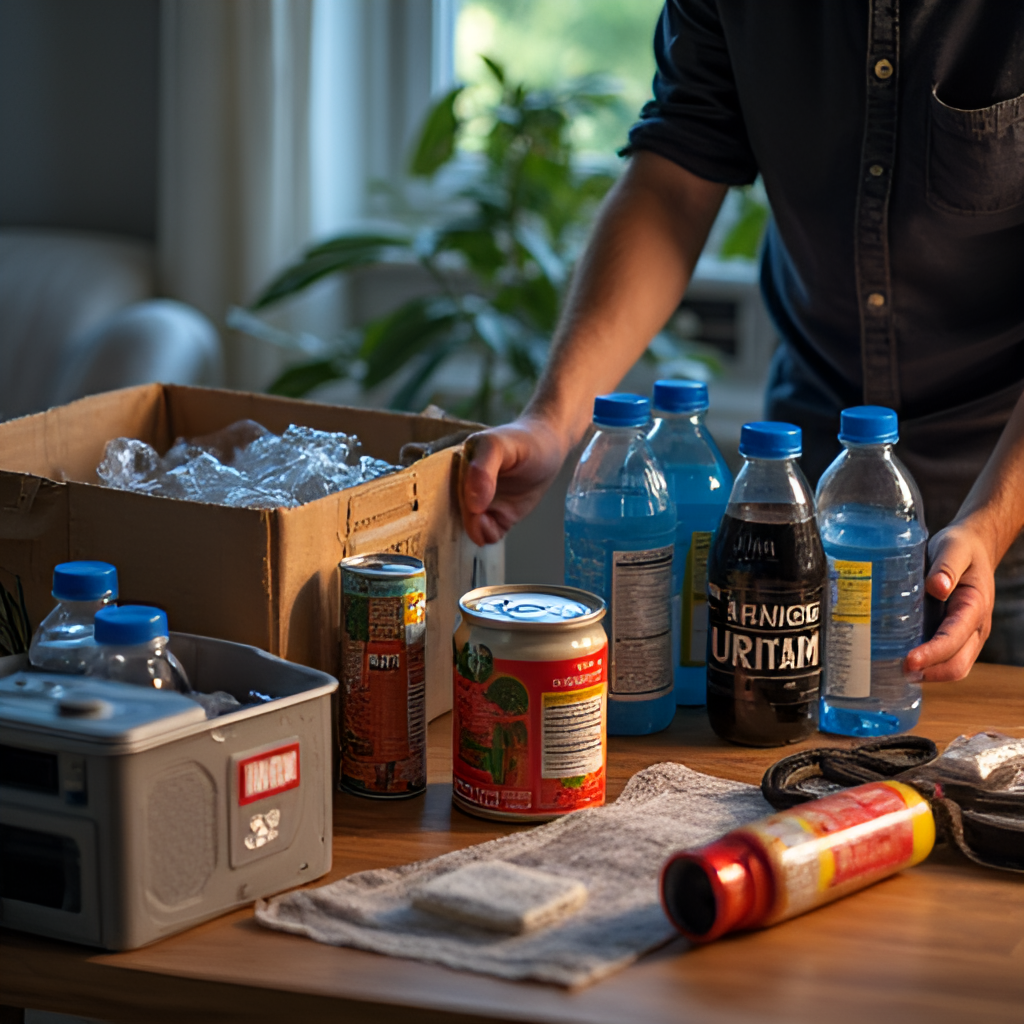
- Prepare an Emergency Kit: Have supplies for at least three days. This should include water, non-perishable food, a torch, batteries, a first-aid kit, essential medications, warm clothing, and a radio. A “grab bag” with essentials is also crucial if you need to leave quickly.
- Secure Your Property: Bring in or tie down outdoor furniture, trampolines (seriously, flip them over!), and anything else that could become a missile in strong winds. Clear gutters and drains to handle heavy rain. Trim trees near your house if they pose a risk.
- Check on Neighbours: Especially those who might be vulnerable, like the elderly or those with disabilities. A quick chat can make sure everyone is aware and prepared.
- Review Insurance: Make sure your home and contents insurance is up to date and understand what it covers in case of weather damage.
Taking these steps proactively means you’re not scrambling when a warning is suddenly issued. It’s about building resilience in the face of nature’s power. The NZ Civil Defence website is a fantastic resource for detailed preparedness guides.
This image is a fictional image generated by GlobalTrendHub.
What to Do When a Weather Warning is Active
Once a weather warning is in effect, especially an Orange or Red one, it’s time to put preparedness into action. The primary goal is safety – yours, your family’s, and your property’s.
- Stay Indoors: Avoid going outside unless absolutely necessary. Stay away from windows, which could break in high winds or due to flying debris. Pulling curtains or blinds can add an extra layer of protection.
- Stay Informed: Keep listening to the radio or checking official sources like MetService or your local Civil Defence Emergency Management Group’s website or social media for updates. Emergency Mobile Alerts are also used for serious threats.
- Avoid Travel: Driving or walking during severe weather is risky. Roads can be flooded, blocked by slips, or hazardous due to wind or snow. If you absolutely must travel, check road conditions via Waka Kotahi NZTA and drive to the conditions.
- Be Aware of Flooding: Never try to walk, swim, or drive through floodwaters. Even shallow water can be powerful, contaminated, and hide unseen hazards. Head for higher ground if you see rising water, don’t wait for an official evacuation order.
- Lightning Safety: Avoid using landline phones, taps, sinks, and metal objects as plumbing and metal can conduct electricity. If caught outside, avoid open fields, hilltops, isolated trees, and metal structures.
- Tornado Safety: If a tornado is possible or sighted, take shelter immediately in the lowest level of your house, in an interior room away from windows and doors. Get under sturdy furniture and cover yourself. If outside, lie flat in a low-lying area like a gully or ditch.
Following official advice is paramount. Emergency services and Civil Defence will provide instructions based on the specific situation in your area. Their guidance is there to keep everyone safe.
Weather Warnings: More Than Just Forecasts
Beyond the technical details, weather warnings represent real potential impacts on communities and individuals. I recall a few years back, a severe wind warning swept through my region, causing power outages that lasted for days in some areas. It really brought home how dependent we are on infrastructure and how quickly life can be disrupted. That experience solidified for me the importance of having an emergency kit ready – it wasn’t just abstract advice anymore; it was a necessity.
Extreme weather events in New Zealand, like the Auckland Anniversary floods or Cyclone Gabrielle in 2023, tragically demonstrated the devastating power of nature and underscored the critical role of timely and effective weather warnings and community preparedness. These events weren’t just inconvenient; they had significant and lasting impacts on people’s lives, homes, and livelihoods. While we can’t prevent these events, understanding and acting on MetService warnings can absolutely mitigate the risks and help keep people safe.
Another aspect is the impact on travel. A heavy snow warning in the South Island High Country or a strong wind warning crossing Cook Strait can throw travel plans into chaos. Checking MetService warnings is part of the routine for anyone travelling around the country, whether by road, ferry, or plane. It’s just part of living here, really, factoring the weather into your plans.
There’s also a unique New Zealand perspective on weather because our landscape is so varied, from alpine regions to coastlines. Severe weather in one area might be completely different from another, meaning local knowledge and specific warnings are key. What might be a heavy rain event on the West Coast could be a snow dump inland. Checking the MetService severe weather page is always the best bet for the most current, location-specific information.
Conclusion: Taking Weather Warnings Seriously
Understanding and responding to weather warnings in New Zealand is a fundamental part of staying safe and resilient in a country prone to dynamic weather patterns. From decoding the MetService colour-coded system to having a well-stocked emergency kit and knowing what to do during a storm, preparedness is key. My personal experiences, and the stories from events like Cyclone Gabrielle, reinforce just how vital these warnings are. Paying attention to these severe weather notifications NZ isn’t about being alarmist; it’s about being sensible and prepared. By taking weather warnings seriously, we can protect ourselves, our families, and our communities when nature decides to show its powerful side.