Hoon Hay Food Bank: Supporting Our Christchurch Community
- Understanding the Heart of Hoon Hay Food Bank
- More Than Just Food: Services Offered
- How the Hoon Hay Food Bank Operates: A Community Effort
- Impact in Action: Stories of Support
- Standing Together: Ways You Can Help
- Navigating Hardship: The Challenges Food Banks Encounter
- Food Insecurity in New Zealand: A Broader Look
- The Enduring Importance of the Hoon Hay Food Bank
The Hoon Hay Food Bank is a vital lifeline for many families in Christchurch, offering essential food support when times are tough. Having lived in this community for several years, I’ve witnessed firsthand the quiet, persistent effort that goes into keeping this service running and supporting our neighbours. In a world where food insecurity is a growing concern, especially here in New Zealand, understanding the role and impact of local initiatives like this food assistance programme in Hoon Hay is incredibly important. It’s not just about handing out parcels; it’s about offering dignity, hope, and a helping hand to people right here in our backyard who are struggling to make ends meet. I wanted to delve a little deeper into what makes the Hoon Hay Food Bank such a crucial part of our community fabric and share how it operates and who it helps.
More Than Just Food: Services Offered
When you think of a food bank, you might just picture boxes of canned goods and dry pasta. While that’s definitely part of it, the Hoon Hay Food Bank strives to offer more comprehensive support. Their primary function is, of course, providing food parcels to individuals and families in need. These parcels are carefully put together, often including a mix of non-perishable items like tinned food and cereal, as well as perishable goods such as fresh produce and sometimes even meat when available.
What’s particularly noteworthy about the Hoon Hay Food Bank is their approach. They don’t have a strict set of criteria for applying for assistance, making it accessible for more people who might fall through the cracks elsewhere. This no-judgement philosophy is something I deeply admire; it removes a significant barrier for those already experiencing hardship. While parcels are currently issued once every three weeks per client household, this regular support can make a world of difference in budgeting and ensuring families don’t go without.
Beyond the food itself, the act of providing a food parcel is often the first step in connecting people with further help. While the Hoon Hay Food Bank itself operates with a lean, volunteer-driven model, being linked into the wider community support network in Christchurch means they can often signpost individuals to other services if needed. This might include information on budgeting advice or connecting with other local support organisations. It’s about more than just filling hungry bellies in the short term; it’s about offering a bit of stability and a pathway to longer-term resilience.
How the Hoon Hay Food Bank Operates: A Community Effort
It’s easy to see the end result – people receiving much-needed food parcels – but the operation behind the Hoon Hay Food Bank is a testament to community spirit and tireless dedication. From what I’ve gathered, this non-profit organisation was initially run from a family home, which really highlights the grassroots nature of its beginnings. Imagine your own home becoming the hub for feeding hundreds of families a week – that’s incredible dedication!
The move to dedicated premises on McCarthy Street, while still a massive undertaking, has undoubtedly helped streamline operations and handle the growing demand. Donations are the lifeblood of the Hoon Hay Food Bank. These come from various sources, including generous support from the local community, food suppliers, and potentially larger food rescue organisations like KiwiHarvest or Foodbank Canterbury, who work to redistribute surplus food.
Volunteers are the unsung heroes. Running a food bank involves a massive amount of work: sorting donations, packing parcels, managing inventory, and coordinating distribution. The fact that the entire operation relies on volunteers speaks volumes about the commitment of people in Hoon Hay and wider Christchurch willing to give their time and energy to help others.
Logistics play a huge part. Picking up bulk food items, sometimes weighing hundreds of kilograms, requires significant effort and equipment, like forklifts, which are essential for efficiency. Coordinating parcel pick-ups or deliveries and managing the flow of people needing assistance requires careful planning and execution, often balancing limited resources with significant need.
The recent news about a break-in at the food bank, resulting in the theft of frozen and chilled food, was heartbreaking to hear. It really underscores the vulnerability of these essential services and the devastating impact such acts have, not just on the organisation, but directly on the families who rely on that food. The community response, however, being “overwhelmed and humbled” by the outpouring of support to help replace the stolen goods, shows the incredible resilience and generosity present in Christchurch.
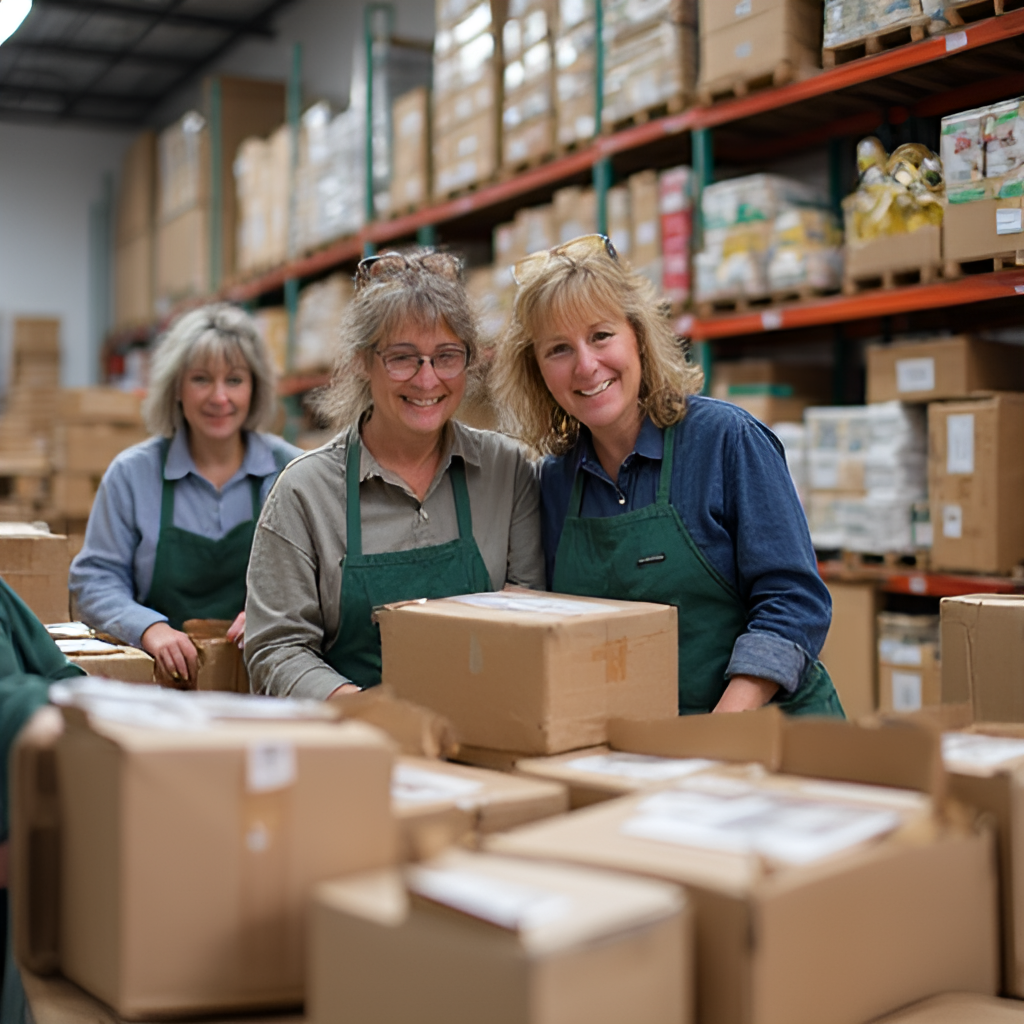
This image is a fictional image generated by GlobalTrendHub.
Impact in Action: Stories of Support
While specific personal stories are often kept private to protect the dignity of recipients, the impact of the Hoon Hay Food Bank can be seen in the sheer numbers they support. Regularly providing food parcels to over 150-180 families per week is a remarkable feat and demonstrates the significant need in the area. These are not just numbers; they represent individuals and families – our neighbours – facing genuine hardship.
The reality is that food insecurity affects a wide range of people. It’s not limited to those who are unemployed; increasingly, the food bank is seeing families where both adults are working but still struggling to make ends meet due to the rising cost of living, particularly housing and food prices. Unexpected events like illness, job loss, or even just a large power bill can push a household into a situation where they can’t afford groceries.
For children, the impact of food insecurity is particularly devastating. Not having enough nutritious food affects their health, development, ability to concentrate at school, and overall wellbeing. Knowing that the food parcels provided by the Hoon Hay Food Bank are helping ensure children have food on their plates is incredibly powerful. It gives them a better chance to learn, grow, and thrive.
I can imagine the relief and gratitude felt by a parent receiving a food parcel when they were unsure how they would feed their children that week. It’s more than just food; it’s a weight lifted, a sign that they are not alone, and that their community cares. The work done here offers a crucial safety net for those navigating challenging circumstances.
Standing Together: Ways You Can Help
The continued operation of the Hoon Hay Food Bank relies heavily on community support. If you’re in a position to help, there are several ways you can contribute. Financial donations are always incredibly valuable, as they provide the flexibility to purchase specific items that are needed or cover operational costs like rent, utilities, and vehicle maintenance.
Donating food items is another direct way to contribute. While specific needs can vary, non-perishable goods like canned fruits and vegetables, tinned meat or fish, pasta, rice, cereals, and long-life milk are always appreciated. Keeping an eye out for appeals from the food bank (perhaps on their Facebook page) can help you donate exactly what they need most at any given time. Donating toiletries and household cleaning products is also incredibly helpful, as these are essential items that people struggling financially often have to go without.
Volunteering your time is another vital form of support. Whether it’s helping sort donations, pack parcels, assist with pickups, or help with administrative tasks, every hour contributed makes a difference. If you have specific skills, like building or driving, these can also be incredibly valuable to the food bank’s operations.
Spreading the word within the community is also important. Many people may not be aware of the scale of need or the services provided by the Hoon Hay Food Bank. Simply talking about their work, sharing their social media posts, or directing someone who needs help their way can be a valuable contribution. Supporting local initiatives that partner with the food bank or participating in community food drives, like the one organised by Halswell School students, also makes a tangible impact.
Navigating Hardship: The Challenges Food Banks Encounter
Running a food bank, even one as dedicated as the Hoon Hay Food Bank, comes with significant challenges. One of the most prominent is the ever-increasing demand for services. As the cost of living continues to rise in New Zealand, particularly for essentials like food and housing, more individuals and families find themselves needing assistance.
Maintaining a consistent and sufficient supply of food donations can also be challenging. While the community is often generous, donations can fluctuate, making it difficult to predict stock levels and ensure a steady supply of varied and nutritious items. Relying on surplus food, while brilliant for reducing waste, can mean unpredictability in what’s available.
Operational costs, even for a non-profit, are a reality. Rent, power, fuel for collection vehicles, and the potential need for equipment like forklifts or large freezers all require funding. Fundraising efforts are ongoing and essential to cover these expenses and potentially expand services.
The emotional toll on the volunteers and organisers can also be significant. Constantly witnessing hardship and striving to meet overwhelming need is emotionally demanding work. Events like the recent burglary add another layer of stress and disappointment, impacting their ability to serve the community effectively.
Ensuring dignity and respect for those seeking help is paramount. Food banks work hard to provide assistance in a way that preserves the dignity of recipients, but the systems and volumes involved can sometimes make this difficult. The move towards more choice-based models or social supermarkets in some areas reflects a desire to address this, though this requires significant resources.

This image is a fictional image generated by GlobalTrendHub.
Food Insecurity in New Zealand: A Broader Look
The work of the Hoon Hay Food Bank happens within a broader national context of food insecurity. Unfortunately, recent data shows that food insecurity is a significant issue in New Zealand, and concerningly, it’s been worsening in recent years while improving in many other parts of the world.
Statistics paint a stark picture. In the 2020/21 New Zealand Health Survey, almost 15% of children lived in households where food sometimes or often ran out. For Māori and Pacific children, this rate is even higher. Factors like low incomes, reliance on benefits, renting (particularly social housing), and having more children in a household are all associated with a higher likelihood of experiencing food insecurity.
The rising cost of food, increasing faster than incomes for many, is a major contributing factor. This means that even households with working adults can struggle to afford nutritious food after covering other essential costs like rent and utilities.
Organisations like KiwiHarvest play a crucial role on a larger scale by rescuing perfectly good food that would otherwise go to waste and distributing it to food banks and charities like the Hoon Hay Food Bank. This not only helps get food to those who need it but also has significant environmental benefits by reducing landfill waste and associated methane emissions.
The Salvation Army’s Foodbank Project is another example of a larger initiative working to combat food insecurity across the country, providing an online platform for donations and distributing food through their network of food banks.
The existence and increasing demand for services like the Hoon Hay Food Bank are a clear indicator of the economic pressures facing many families in New Zealand. While national policies and larger organisations are essential, the localised, community-led response provided by places like the Hoon Hay Food Bank remains absolutely critical.
The Enduring Importance of the Hoon Hay Food Bank
In conclusion, the Hoon Hay Food Bank stands as a powerful example of community resilience and compassion in action. It’s a place where neighbours help neighbours, providing essential food support without judgement to those in need. While the challenges of food insecurity in New Zealand are significant and complex, the dedication of the volunteers and the generosity of donors ensure that this vital service continues to make a tangible difference in the lives of hundreds of families every week.
My experience, both as a member of this community and through researching their incredible work, reinforces the fact that local food banks like the Hoon Hay Food Bank are more than just distribution centres; they are beacons of hope and solidarity. Supporting their efforts, whether through donations of food, money, or time, is an investment in the wellbeing of our community and a practical step towards ensuring that no one in Hoon Hay goes hungry. The need is real, and the impact of this local food assistance is profound.