Earthquake Near Me: Understanding and Preparing in Aotearoa
- Understanding “Earthquake Near Me” in the NZ Context
- Why New Zealand is So Seismically Active
- What to Do When You Feel a Quake
- Finding Information: GeoNet is Your Best Friend
- Preparing for the Next Quake Near You
- Making Your Home “Quake Safe”
- The Emotional Toll: Coping After a Quake
- Staying Prepared for Every Earthquake Near Me
An earthquake near me is something many of us in New Zealand have experienced, and it’s a feeling that never quite leaves you. Living in Aotearoa means living on the edge of two massive tectonic plates, and frankly, that comes with some shaking. I remember my first significant quake vividly – the unnerving rumble, the way things swayed, and that split second of “what was THAT?”. It’s a stark reminder of the powerful forces beneath our feet. This article isn’t just about the science; it’s about what it means to live with that reality, how to find out what’s happening when the ground moves, and most importantly, how we can prepare ourselves and our whānau for the next inevitable shake.
Here in New Zealand, we know that a quake near me isn’t a matter of *if*, but *when*. We feel hundreds of earthquakes every year, though most are too small to cause damage. However, severe ones can happen at any time, anywhere in the country. Understanding our seismic landscape and knowing where to get reliable information are crucial steps in feeling more in control when the earth starts to move. Let’s dive into why NZ is so prone to quakes and how you can stay informed and prepared.
Why New Zealand is So Seismically Active
New Zealand sits right on the boundary between the Pacific Plate and the Australian Plate. These gigantic pieces of the Earth’s crust are constantly moving, interacting in complex ways – scraping past each other, colliding, and one diving beneath the other. This interaction creates immense stress in the crust, which is released as earthquakes.
We have several major fault lines crisscrossing the country, including the well-known Alpine Fault in the South Island and the Hikurangi Subduction Zone off the east coast of the North Island. But it’s not just the ‘big ones’ we need to think about. There are faults throughout the country, and shaking can happen anywhere. Scientists are constantly monitoring this activity using a network of sensors.
The types of earthquakes we experience can vary too. Some are shallow and sharp, others deeper and more of a rolling motion. The updated National Seismic Hazard Model even suggests that the likelihood of future shaking is higher than previously thought in many areas, highlighting the need for increased readiness.
What to Do When You Feel a Quake
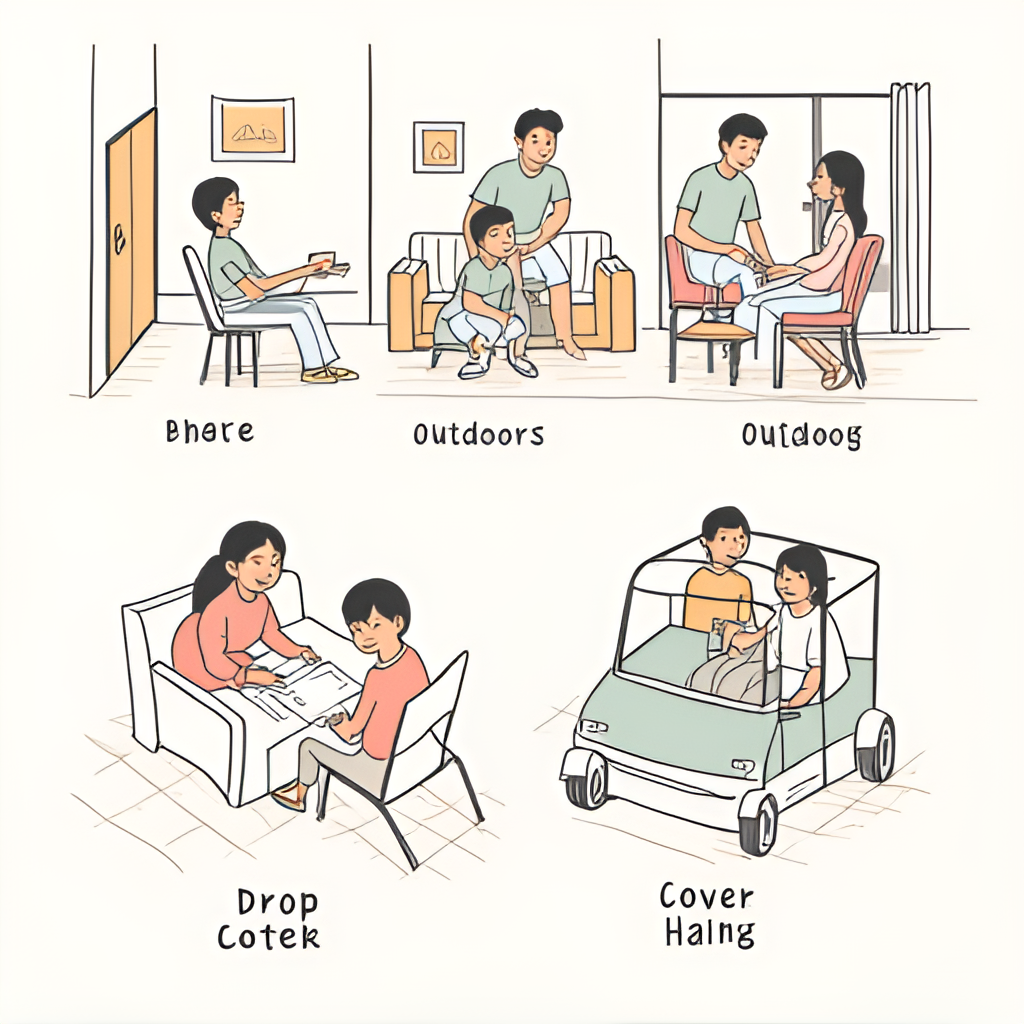
Okay, the ground is shaking. Your first instinct might be to panic or run outside, but official advice is clear and consistent: Drop, Cover, and Hold.
Here’s a quick breakdown:
- DROP down onto your hands and knees. This stops you from being knocked over and keeps you low to the ground.
- COVER your head and neck. If you’re near a sturdy table or desk, crawl underneath it for protection. If not, use your arms and hands.
- HOLD on to your shelter (like the table legs) until the shaking stops. If your shelter moves, move with it.
It might sound simple, but practicing this (like during the annual New Zealand ShakeOut) makes a huge difference in a real event. Don’t try to run outside during the shaking – falling debris is a major cause of injury. And if you’re near the coast and the shaking is long or strong, that’s your natural warning sign to “Get Gone” to higher ground due to potential tsunami risk.
This image is a fictional image generated by GlobalTrendHub.
Finding Information: GeoNet is Your Best Friend
Once the shaking stops and you’ve checked on yourself and others, the first thing most of us want to know is, “What was that?”. This is where GeoNet comes in. GeoNet is New Zealand’s official source for geological hazard information, including earthquakes.
You can check their website (geonet.org.nz) or download their app to see recent earthquakes, their magnitude, depth, and location. GeoNet also collects “felt reports” from the public. Filling one out helps scientists understand the intensity of shaking in different areas, even if you didn’t feel the earthquake near me that was reported!
Beyond GeoNet, your local Civil Defence Emergency Management (CDEM) Group website and official social media channels are vital sources of information during and after an emergency.
Preparing for the Next Quake Near You
While we can’t predict exactly when or where the next significant earthquake will strike, we can absolutely prepare for it. Preparation is key to reducing anxiety and ensuring your safety and that of your loved ones. Think of it as investing in your peace of mind.
Having a household emergency plan is a fundamental step. Talk to your whānau about what you will do if a quake happens when you’re not together. Where will you meet? How will you contact each other? Knowing these things beforehand removes confusion in a stressful situation.
Stocking up on emergency supplies is also crucial. You should have enough food, water, and other essentials to be self-sufficient for at least three days. This includes things like:
- Water (at least 3 litres per person per day)
- Non-perishable food
- A manual can opener
- Torches and spare batteries
- A first-aid kit and any necessary medications
- Radio (battery-powered or hand-crank)
- Warm clothing and blankets
- Toiletries and sanitation supplies
- Copies of important documents
- Cash
Having a “grab bag” or “go bag” prepared with essentials makes it easy to evacuate if needed.
Making Your Home “Quake Safe”
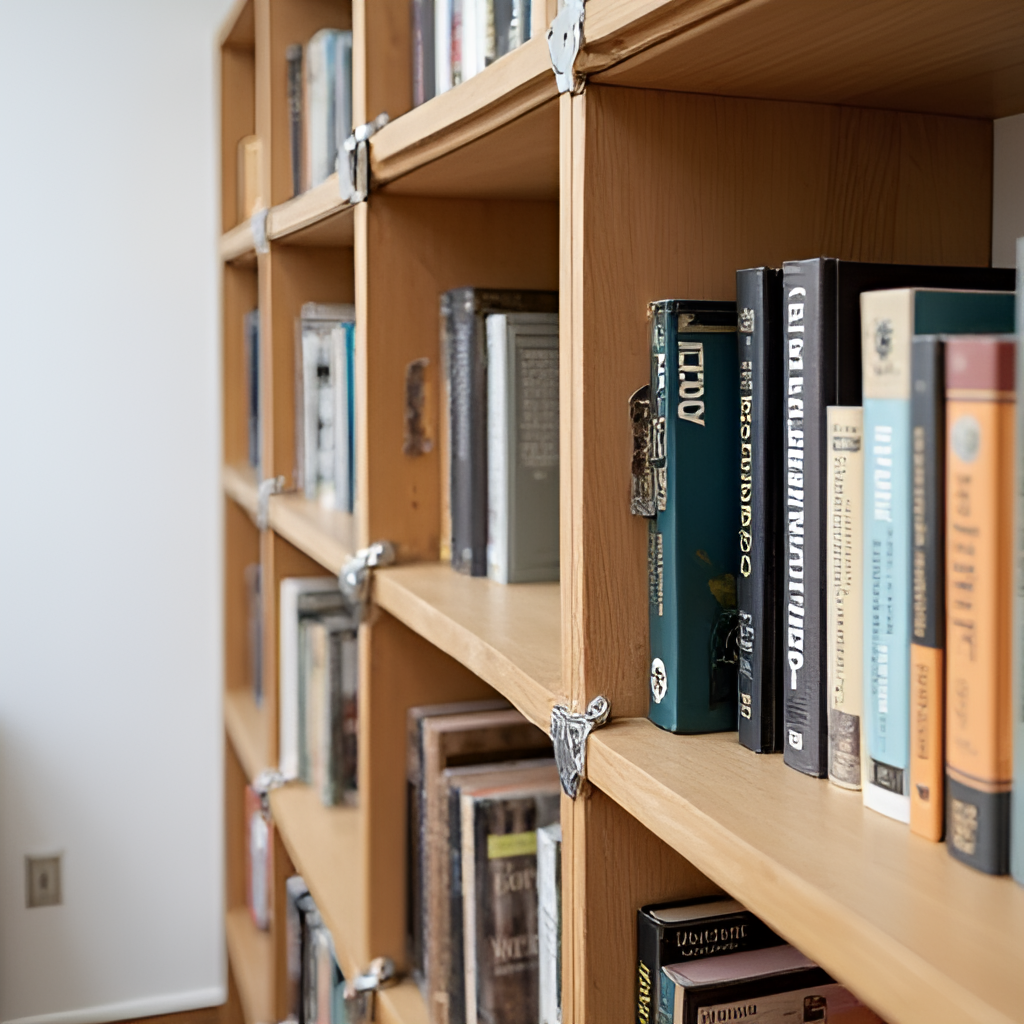
One of the most effective ways to reduce injury risk is by securing items in your home that could fall during shaking. Most earthquake-related injuries come from falling objects, not the ground shaking itself.
Take a look around your home and identify potential hazards. Simple steps can make a big difference:
- Secure tall furniture like bookshelves and cabinets to the walls using straps or L-brackets.
- Hang heavy items like mirrors and pictures away from beds and seating areas.
- Use museum putty or sticky tack to secure valuable or breakable items on shelves.
- Ensure water heaters and gas appliances are properly secured.
- Know how to turn off your gas, water, and electricity if necessary (and have the right tools handy).
Checking your home’s seismic rating and addressing any vulnerabilities is also a good idea, especially for older buildings.
This image is a fictional image generated by GlobalTrendHub.
The Emotional Toll: Coping After a Quake
Even if an earthquake near me causes no physical harm or damage, it can still be a really unsettling experience. It’s completely normal to feel anxious, stressed, or jumpy after a quake, especially after a larger one or a series of aftershocks. My own experience after the Kaikōura quake in 2016 left me feeling on edge for weeks.
It’s important to acknowledge these feelings and talk about them. Connect with your friends, whānau, or colleagues. If you’re really struggling, don’t hesitate to seek professional help. Resources are available through your GP or local mental health services. Looking after your mental wellbeing is just as important as physical safety.
Staying Prepared for Every Earthquake Near Me
Living in New Zealand means living with the reality of seismic activity. While the prospect of an earthquake near me can be daunting, being informed and prepared significantly reduces the risk and helps us cope better when one occurs. From knowing to Drop, Cover, Hold during the shaking, to having emergency supplies and securing your home, every step you take builds resilience. GeoNet and NEMA’s Get Ready website are invaluable resources for staying updated and learning more about preparedness. Ultimately, embracing preparedness is just part of being a Kiwi – it empowers us to face the shakes with confidence, knowing we’ve done everything we can to stay safe.