Exploring Honduras: A Kiwis Guide to Central America’s Hidden Gem
- Welcome to Honduras: More Than Just a Stopover
- Navigating Honduras Safely: Tips from a Fellow Traveller
- Island Life: Discovering the Bay Islands of Honduras
- Stepping Back in Time: The Majesty of Copán Ruins
- Beyond the Coast: Exploring Honduras’s Diverse Landscapes
- A Taste of Honduras: Must-Try Foods and Drinks
- Making Your Lempiras Go Further: Budget Tips for Honduras
- Transport Tales: Getting from A to B in Honduras
- Honduras Awaits: An Unforgettable Adventure
Exploring Honduras offers an incredible adventure for those willing to look beyond the headlines and discover the heart of Central America. As a Kiwi traveller who’s spent time navigating its diverse landscapes, I can honestly say that Honduras is far more than just a stopover; it’s a destination brimming with natural beauty, ancient history, and incredibly welcoming people. From the underwater wonders of the Bay Islands to the majestic ruins of Copán, this country offers a unique blend of experiences that are both enriching and exhilarating.
Welcome to Honduras: More Than Just a Stopover
My journey to Honduras began with a desire to find authentic travel experiences away from the well-trodden tourist paths. I’d heard whispers of its potential – the world’s second-largest barrier reef system, ancient Mayan sites, and lush national parks . Yet, like many, I also had concerns about safety, a topic often highlighted in travel advisories. What I found, however, was a country eager to share its culture and beauty, proving that with a little preparation and awareness, exploring Honduras is not only possible but immensely rewarding.
Honduras is a country that truly has something for everyone. Whether you’re a diver, a history buff, a nature enthusiast, or a foodie, you’ll find experiences that will stay with you long after you’ve left. My own experience in Utila, getting my open water diving certification, was a game-changer. The accessibility and affordability of diving there are unparalleled, making it a prime spot for underwater exploration . But the adventure doesn’t stop at the coast. The mainland holds its own secrets, from the cloud forests of La Tigra National Park to the coffee plantations near Santa Rosa de Copán .
This guide is a culmination of my time and research, offering practical tips and insights for fellow Kiwis (and anyone else!) looking to explore this fascinating corner of the world. We’ll delve into managing safety, uncovering the best places to visit, savouring the local cuisine, and making your budget stretch further. Let’s get ready to explore Honduras!
Navigating Honduras Safely: Tips from a Fellow Traveller
Let’s address the elephant in the room: safety. It’s true that Honduras has a reputation for crime, and travel advisories often recommend exercising a high degree of caution or even reconsidering travel to certain areas . However, I believe that with sensible precautions, you can significantly mitigate risks and have a safe trip. My personal approach involved being acutely aware of my surroundings, especially in larger cities like San Pedro Sula and Tegucigalpa . Avoiding walking alone at night is a pretty standard travel tip, but it’s particularly relevant here . Using reputable taxi services or app-based rideshares instead of hailing them off the street is also a smart move .
Petty theft can occur, as in many tourist destinations . I made sure not to flash expensive valuables and kept my belongings secure, particularly in crowded areas like markets . It’s also wise to carry a photocopy of your passport and keep the original in a safe place . While the Bay Islands, like Roatán and Utila, are generally considered safer than the mainland, it’s still important to be vigilant . I personally avoided walking on beaches alone at night, just to be on the safe side .
Public transportation, particularly the brightly coloured “chicken buses,” can be risky, with reports of crime. Stick to reputable first-class bus services for longer journeys during daylight hours . For shorter distances in cities, consider radio taxis or app services recommended by your accommodation . Staying informed about local events and potential demonstrations by monitoring local news is also a good practice . By taking these steps, you can significantly reduce your risk and focus on enjoying your experience in Honduras.
Island Life: Discovering the Bay Islands of Honduras
Ah, the Bay Islands! Roatán, Utila, and Guanaja are jewels in Honduras’s crown, offering stunning beaches, vibrant coral reefs, and a laid-back Caribbean atmosphere . My time in Utila was primarily focused on diving. It’s renowned as one of the most affordable places in the world to get certified, and the underwater world is simply breathtaking . I spent countless hours exploring the Mesoamerican Barrier Reef, mesmerised by the colourful fish, rays, and even the occasional sea turtle .
Roatán, while more developed and potentially pricier than Utila, offers a wider range of accommodation options, from budget hostels to luxury resorts . West Bay is a popular spot for travellers, known for its beautiful beach . Beyond the beaches, Roatán also has lush, pine-forested hills and quieter, less explored areas on the eastern side of the island . Getting around the islands is relatively easy. Water taxis are common for getting between different beach areas on Roatán, and small buses are available . Ferries connect the Bay Islands to the mainland town of La Ceiba, offering a more budget-friendly alternative to flying .
Cayos Cochinos, a small archipelago near La Ceiba, is a protected marine park and a fantastic option for a day trip or a more secluded getaway . I haven’t had the chance to visit yet, but friends who have rave about its pristine beaches and excellent snorkelling . The Bay Islands offer a different pace of life to the mainland, a true tropical escape that’s perfect for unwinding and exploring the incredible underwater world.
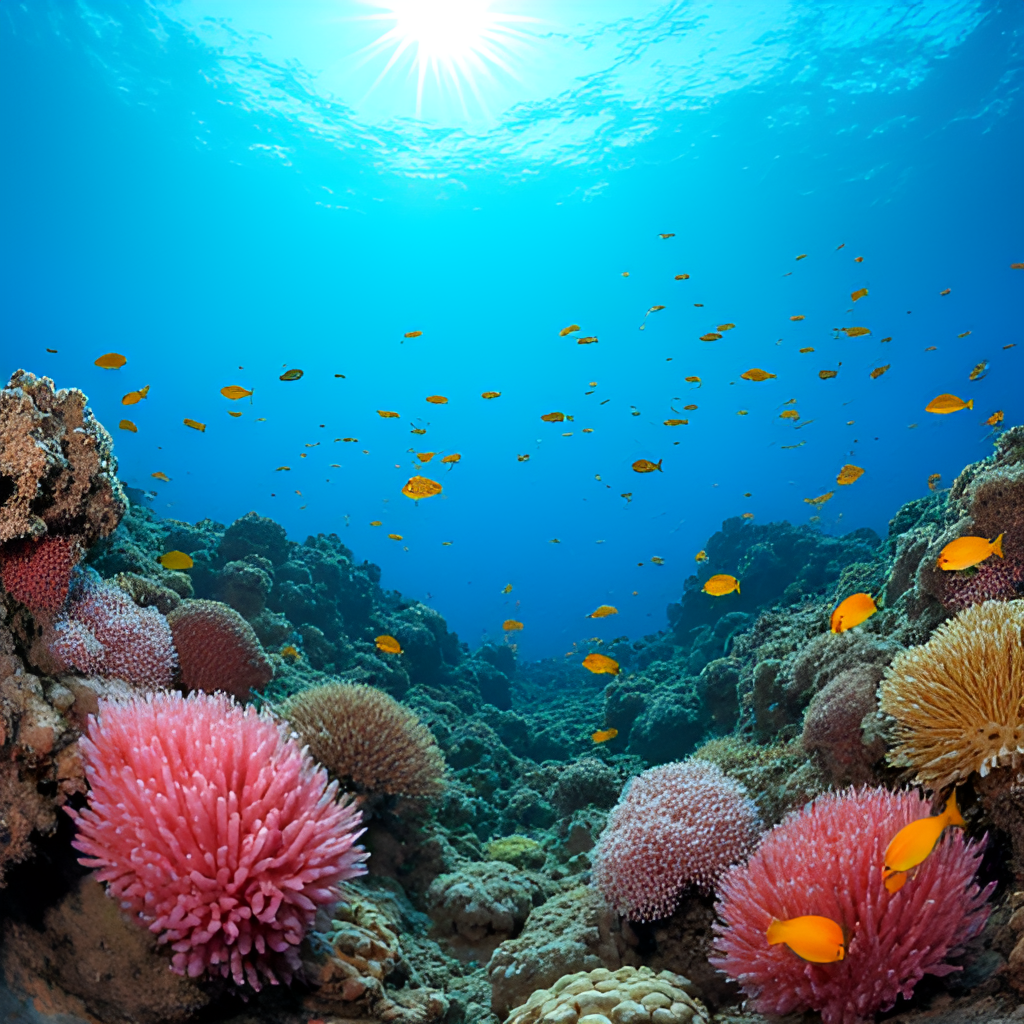
This image is a fictional image generated by GlobalTrendHub.
Stepping Back in Time: The Majesty of Copán Ruins
Stepping onto the site of the Copán Ruins felt like stepping back in time. This ancient Mayan city, a UNESCO World Heritage site, was a major cultural and political centre between the 5th and 9th centuries AD . The intricate carvings on the stelae and altars, the impressive ball court, and the hieroglyphic stairway are truly awe-inspiring . It’s less visited than some of the more famous Mayan sites in other parts of Central America, which I found added to its charm; you can often wander among the ruins at your own pace, absorbing the history and atmosphere .
Exploring Copán offers a fascinating glimpse into the advanced civilisation of the Maya. The level of detail in the sculptures is remarkable, telling stories of rulers, rituals, and daily life. I spent hours just marvelling at the sheer scale and artistry of the site. The nearby town of Copán Ruinas is also charming, with cobblestone streets and a relaxed vibe . It’s a great base for exploring the ruins and the surrounding area, which includes attractions like the Macaw Mountain Bird Park .
If you’re a history enthusiast, Copán is an absolute must-visit when you explore Honduras. It’s a powerful reminder of the rich pre-Columbian history of the region and offers a unique perspective on the Mayan world.
Beyond the Coast: Exploring Honduras’s Diverse Landscapes
Honduras’s natural beauty extends far beyond its Caribbean coastline. The mainland boasts a diverse range of ecosystems, from cloud forests and rainforests to mountains and lakes . Pico Bonito National Park, located near La Ceiba, is a haven for outdoor enthusiasts . With its towering peaks, lush forests, and abundant wildlife, it’s a fantastic spot for hiking and exploring . I’ve heard incredible things about the challenging hike to Cascada Zacate, where you can hear the waterfall long before you see it .
Lake Yojoa, the largest natural lake in Honduras, is a must-visit for birdwatchers . Surrounded by national parks, it’s home to an incredible variety of bird species. I regret not having enough time to explore this area more thoroughly during my trip, but it’s high on my list for a return visit. La Tigra National Park, a cloud forest near Tegucigalpa, offers a cooler escape from the city and a chance to see diverse plant and bird life . While spotting larger mammals like ocelots or pumas is rare, the sheer beauty and tranquility of the cloud forest are well worth the visit .
For the truly adventurous, the remote Río Plátano Biosphere Reserve on the Mosquito Coast offers an opportunity to experience a vast, unspoiled rainforest . This UNESCO World Heritage site is a chance to go “off the grid” and immerse yourself in incredible biodiversity . Explore Honduras’s interior and you’ll be richly rewarded with stunning natural landscapes and unforgettable experiences.
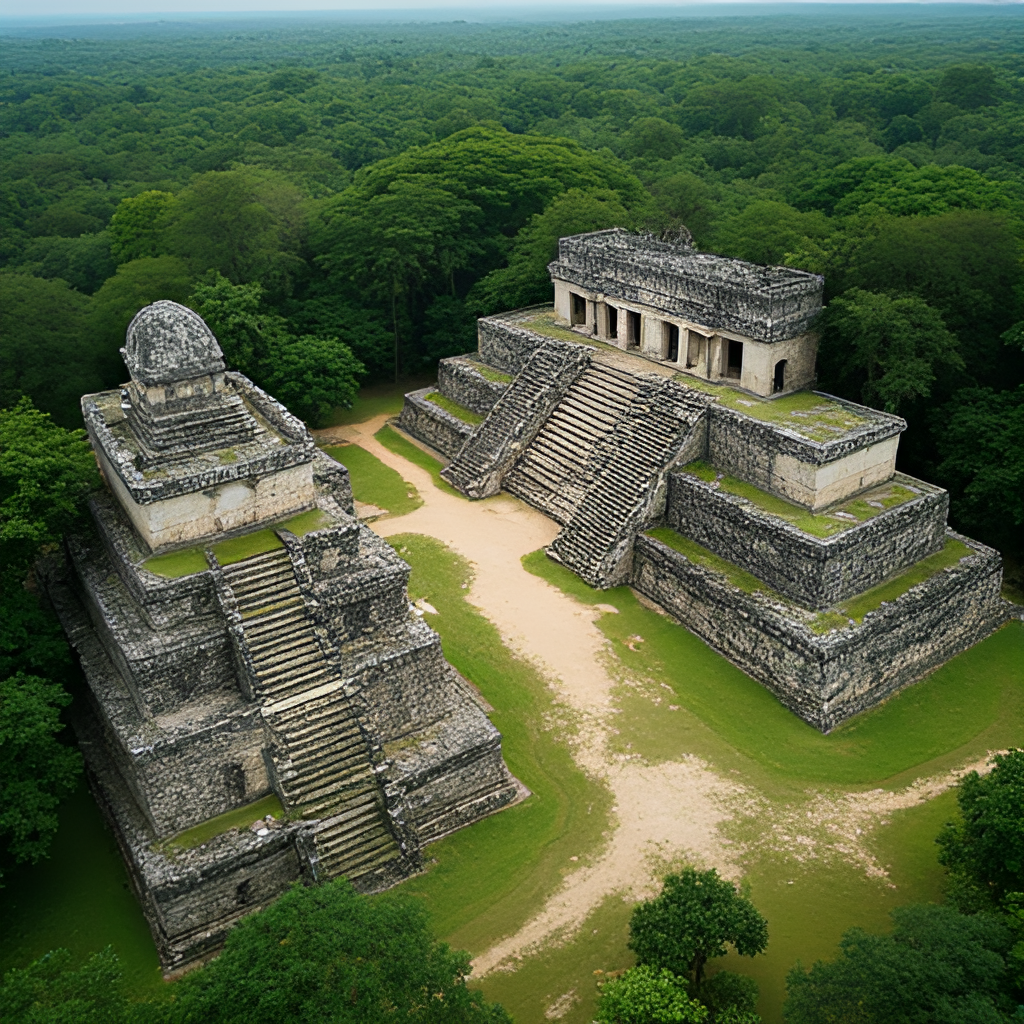
This image is a fictional image generated by GlobalTrendHub.
A Taste of Honduras: Must-Try Foods and Drinks
One of the best ways to experience a country’s culture is through its food, and Honduran cuisine is a delicious fusion of indigenous, Spanish, Caribbean, and African influences . My absolute favourite discovery was the baleada. These thick flour tortillas filled with refried beans, cheese, and sour cream are a simple yet incredibly satisfying meal, perfect for any time of day . You can find them everywhere, from street vendors to local restaurants, and they’re super affordable .
Another staple I quickly fell in love with was plantains, prepared in various ways – fried ripe (plátanos maduros) for a sweet treat or green (tajadas) as a savoury side dish or snack . The plato típico, often considered the national dish, is a hearty plate featuring rice, beans, fried plantains, and your choice of meat . It’s a great way to sample the core elements of Honduran cuisine. If you’re on the coast, keep an eye out for seafood dishes, often prepared with coconut milk . Sopa de caracol (conch soup) is a popular coastal specialty .
For drinks, you can’t go wrong with a cup of Honduran coffee, known for its rich flavour . Horchata, a refreshing rice-based drink, is also a great option, especially on a warm day . Trying the local food is an essential part of the experience when you explore Honduras, offering a true taste of its vibrant culture.
Making Your Lempiras Go Further: Budget Tips for Honduras
Compared to some other Central American countries, Honduras can be quite budget-friendly, especially on the mainland . However, costs can add up, particularly in tourist hotspots like the Bay Islands . Based on my research and personal spending, a budget traveller might expect to spend around $30-60 USD per day, covering accommodation, food, and local transport . Mid-range travel could cost between $60-100 USD daily .
Accommodation options range from budget hostels (around $7-15 USD for a dorm bed) to guesthouses ($20-40 USD for a private room) and hotels . In the Bay Islands, prices can be higher, especially for private rooms . I found that staying in places with a guest kitchen and cooking some of my own meals helped save money, particularly on Roatán where restaurant prices can be similar to those in the US . Eating at local eateries and trying street food like baleadas or pupusas is also incredibly cheap and delicious .
Transportation is another area where you can save. While domestic flights exist, taking buses (especially the more comfortable, long-distance ones) or ferries is significantly cheaper . “Chicken buses” are the most budget-friendly, but remember the safety considerations . Negotiating prices for longer stays at accommodations and being mindful of ATM fees can also help keep costs down . By being a savvy traveller, you can definitely explore Honduras without breaking the bank.
Transport Tales: Getting from A to B in Honduras
Navigating Honduras can be an adventure in itself! Getting around involves a mix of options, each with its own pros and cons. As I mentioned earlier, for inter-city travel on the mainland, I’d recommend using reputable first-class bus companies during daylight hours . They might cost a bit more than the “chicken buses” but offer a much safer and more comfortable journey . Buses are a common way to get between major cities like Tegucigalpa and San Pedro Sula .
Within cities, stick to recommended taxis or app-based services . Avoid hailing taxis on the street, especially at night . When travelling by vehicle, keep doors locked and windows up, particularly in urban areas or at traffic lights . For travelling to the Bay Islands, ferries from La Ceiba are a popular and affordable option . On the islands themselves, water taxis are common, and on Roatán, you can also find small minibuses .
Driving yourself is an option, but be aware of road conditions and potential issues like corrupt police stops . Border areas can also require extra caution . Planning your travel during daylight hours and being aware of your surroundings are key to smooth and safe transportation when you explore Honduras.
Honduras Awaits: An Unforgettable Adventure
Exploring Honduras has been an enriching experience, challenging preconceived notions and revealing a country of incredible beauty, history, and resilience. From the vibrant underwater ecosystems of the Bay Islands and the historical depth of the Copán Ruins to the stunning natural parks and delicious cuisine, Honduras offers a wealth of experiences for the adventurous traveller. While it’s important to be mindful of safety, the rewards of exploring Honduras far outweigh the risks for those who travel with awareness and respect. I left Honduras with a deeper appreciation for its culture, its people, and its stunning landscapes, and I know I’ll be back to uncover more of its hidden gems. If you’re looking for an off-the-beaten-path adventure in Central America, explore Honduras – it might just surprise you.