Real Madrid: A Legacy of Dominance
- Introduction: Stepping into the World of Real Madrid
- A Storied History: From Formation to “Real” Status
- The Iconic Santiago Bernabéu: More Than Just a Stadium
- Unparalleled Success: Dominance on the Pitch
- Galácticos and Legends: The Stars Who Wore White
- The Modern Era: Continuing the Winning Tradition
- Conclusion: Real Madrid’s Enduring Impact
Real Madrid: A Legacy of Dominance. Stepping into the world of Real Madrid is like entering a realm where football history is not just written, but lived and breathed with every match, every trophy, and every roar from the stands of the Santiago Bernabéu. As someone who has followed the beautiful game for years, the sheer scale of Real Madrid’s achievements is simply breathtaking. This isn’t just a football club; it’s a global institution, a symbol of excellence, and a source of unwavering passion for millions worldwide. We’ll explore the rich history, iconic stadium, unparalleled success, and the legendary players who have defined Real Madrid, a true powerhouse in the world of football.
A Storied History: From Formation to “Real” Status
The story of Real Madrid begins in 1902, when a group of fans officially founded the Madrid Foot Ball Club in the heart of Spain. While its roots can be traced back to an earlier team formed in 1897, 1902 marks the official birth of the club we know today. Just three years after their founding, in 1905, Madrid FC claimed their first piece of silverware, defeating Athletic Bilbao in the Spanish Cup final. This early success was a sign of things to come.
In 1909, the club played a key role in the formation of the Royal Spanish Football Federation. A significant moment arrived in 1920 when King Alfonso XIII granted the club the title of “Real,” meaning “Royal,” along with the crown on their crest, solidifying their regal identity. The club then became Real Madrid. In 1929, Real Madrid was one of the founding members of La Liga, the top Spanish football league. Their first La Liga title followed in 1932.
The club’s journey through the years saw them move between several grounds before settling at their permanent home. The early decades were marked by domestic triumphs, including multiple Copa del Rey victories. Real Madrid’s history is a testament to its enduring presence and success in Spanish football from its very beginnings.
The Iconic Santiago Bernabéu: More Than Just a Stadium
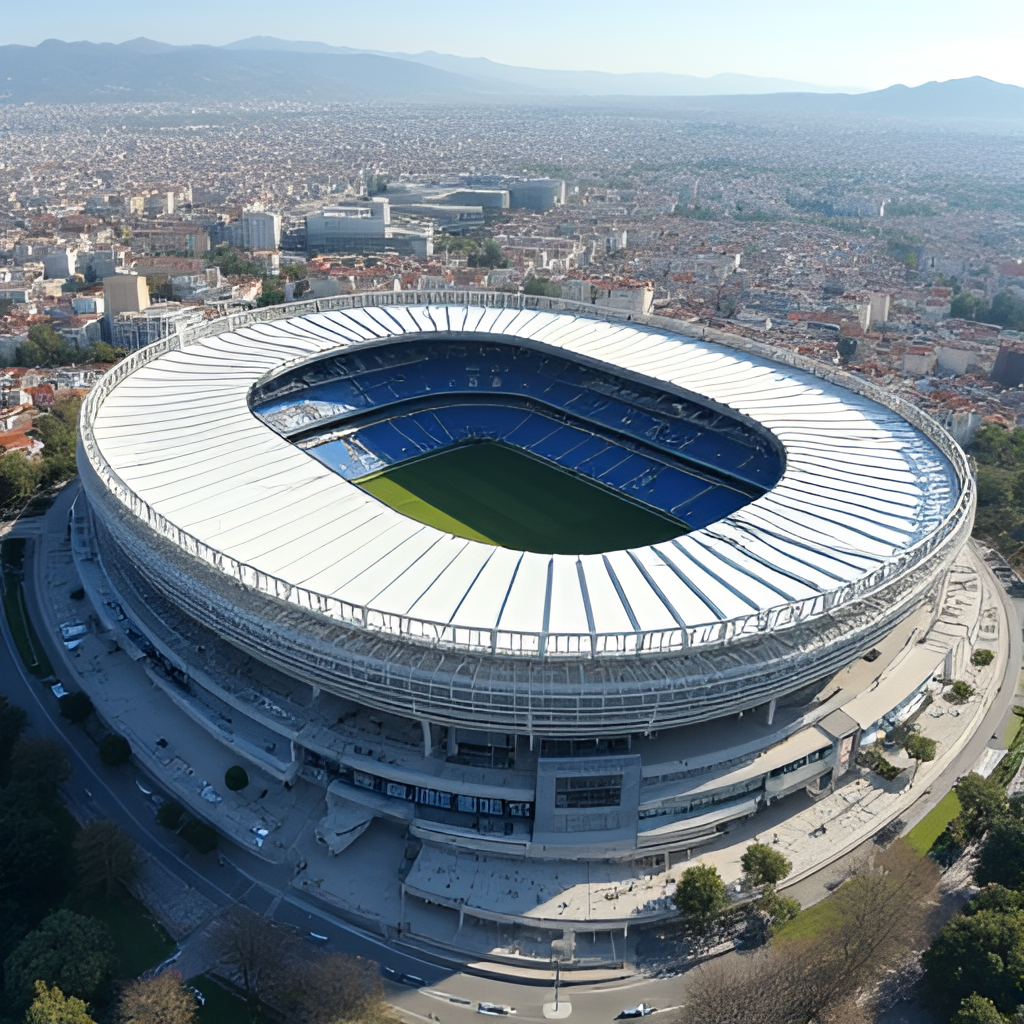
No discussion about Real Madrid is complete without mentioning the legendary Santiago Bernabéu Stadium. Named after the ambitious club president Santiago Bernabéu Yeste, who was instrumental in its construction, the stadium is an icon in the world of football. Inaugurated on December 14, 1947, with a match against Portuguese side Os Belenenses, it has been the home of Real Madrid ever since. Located in the center of Madrid, the stadium is more than just a venue for matches; it’s a pilgrimage site for football fans.
The Santiago Bernabéu has a seating capacity of around 85,000 spectators, making it one of the largest stadiums in Spain. Over the years, it has undergone several renovations and expansions to become the ultra-modern, multifunctional sports venue it is today. These modernizations include a retractable roof and enhanced facilities, ensuring it remains a world-class arena. It has hosted numerous prestigious events, including multiple European Cup/UEFA Champions League finals and the 1982 FIFA World Cup final, further cementing its place in football history.
From the “skywalk” offering tours outside of match days to its capacity to host major events beyond football, the Bernabéu is a symbol of Real Madrid’s global standing and a vital part of the club’s identity.
This image is a fictional image generated by GlobalTrendHub.
Unparalleled Success: Dominance on the Pitch
When you talk about success in football, Real Madrid stands in a league of its own, particularly in Europe. The club holds a staggering record of 15 European Cup/UEFA Champions League titles, far more than any other team. This includes remarkable runs of winning the trophy five consecutive times in the early years (1956-1960) and another three consecutive titles recently (2016-2018). Winning “La Decima,” their tenth Champions League title in 2014, was a monumental achievement.
Domestically, Real Madrid has also been incredibly dominant, boasting a record 36 La Liga titles. They have also lifted the Copa del Rey 20 times and the Supercopa de España 13 times. The club’s trophy cabinet is one of the most decorated in world football, with a total of 71 domestic trophies and a record 35 international trophies. This consistent success across decades highlights the club’s enduring quality and winning mentality.
In recent years, Real Madrid has continued to add to its impressive haul. For instance, the 2021-22 season saw them secure a treble, winning La Liga, the Champions League, and the Spanish Super Cup. In 2024 alone, the club matched its best year in history by clinching five major trophies: the Champions League, La Liga, the Intercontinental Cup, the UEFA Super Cup, and the Spanish Super Cup. This recent success underscores that Real Madrid’s legacy of dominance is very much alive.
A Closer Look at the Trophy Cabinet
To truly appreciate the scale of Real Madrid’s success, let’s break down some of their key trophy counts:
- UEFA Champions League: 15 (Record)
- La Liga: 36 (Record)
- Copa del Rey: 20
- FIFA Club World Cup: 9 (Record)
- UEFA Super Cup: 6 (Record)
These numbers speak volumes about the club’s consistent performance at the highest level. Real Madrid is recognized by Guinness World Records for their numerous Champions League triumphs.
Galácticos and Legends: The Stars Who Wore White
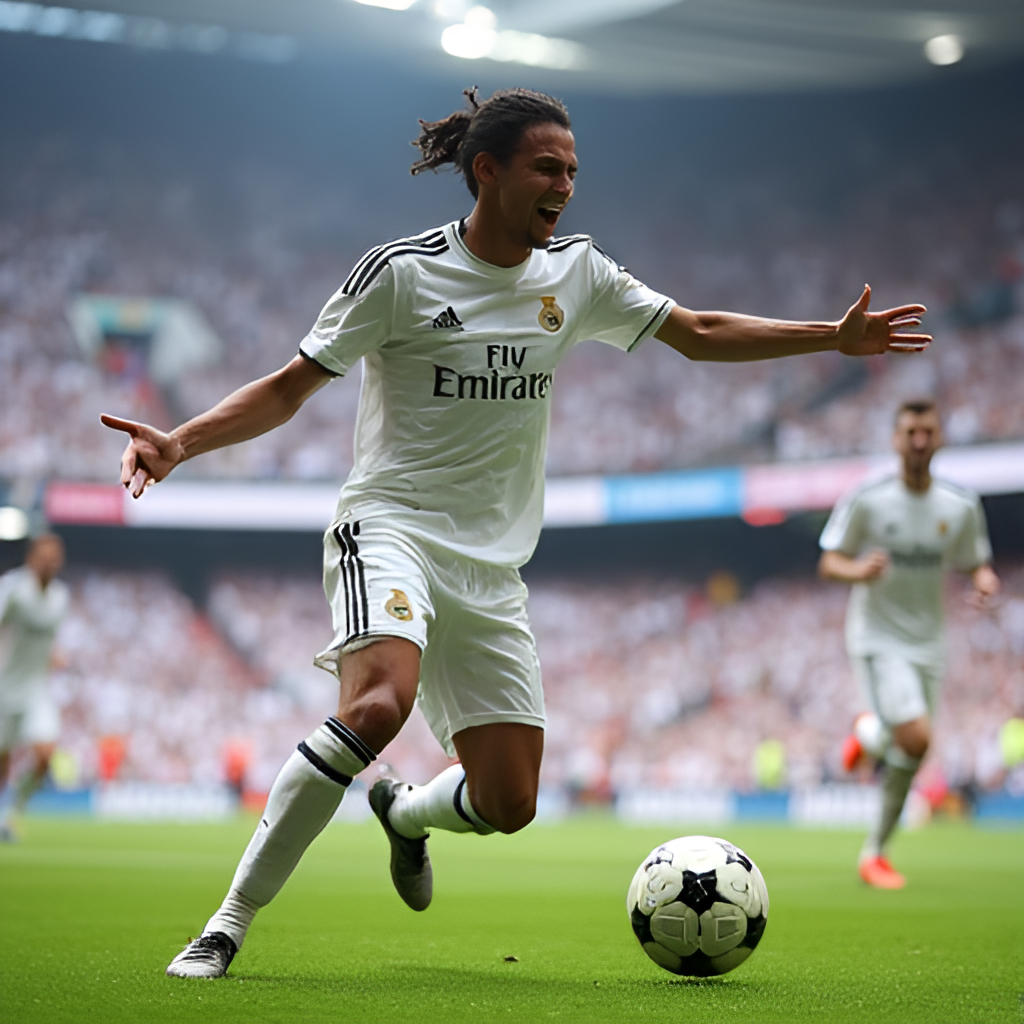
Throughout its history, Real Madrid has been home to some of the greatest football players the world has ever seen. Legends like Alfredo Di Stéfano, Ferenc Puskás, and Paco Gento were instrumental in the club’s early European dominance in the 1950s and 60s. My personal favourite from that era is Di Stéfano; his ability to influence the game from anywhere on the pitch was simply revolutionary.
In more recent times, the “Galácticos” era brought superstars like Zinedine Zidane, David Beckham, and Ronaldo to the Bernabéu, creating a team of global icons. Players like Iker Casillas, Sergio Ramos, and Luka Modrić have become modern legends, contributing significantly to the club’s recent successes.
Of course, no list of Real Madrid legends is complete without mentioning Cristiano Ronaldo. He is the club’s all-time leading goalscorer, with an astonishing 450 goals in just 438 appearances. His goalscoring prowess and relentless drive were pivotal in Real Madrid’s four Champions League victories during his time at the club. Other notable players include Karim Benzema, who is the club’s second-highest scorer, and Raúl, who holds the record for most appearances.
Real Madrid has a knack for attracting and developing world-class talent, ensuring they remain competitive year after year. The club has seen players win prestigious individual awards like the Ballon d’Or and FIFA World Player of the Year while wearing the white shirt.
This image is a fictional image generated by GlobalTrendHub.
The Modern Era: Continuing the Winning Tradition
The present-day Real Madrid squad continues the club’s tradition of excellence under the guidance of manager Carlo Ancelotti. The squad is a mix of experienced veterans and exciting young talent, designed to compete for top honours both domestically and in Europe. Key players in the current team include Thibaut Courtois, Dani Carvajal, David Alaba, Jude Bellingham, Federico Valverde, Luka Modrić, and the dynamic attacking duo of Vinícius Júnior and Kylian Mbappé.
Real Madrid’s recent trophy haul, including multiple La Liga and Champions League titles, demonstrates their continued ability to perform at the highest level. The club’s strategy of blending established stars with promising youngsters appears to be paying off, securing their competitiveness for the future. My prediction is that this blend will continue to bring success.
The ongoing renovations at the Santiago Bernabéu Stadium also signal the club’s commitment to innovation and providing a world-class experience for fans and players alike. These developments show a club that is not resting on its laurels but is constantly striving to improve and maintain its position at the pinnacle of football.
For a look at the current squad, you can check out the official Real Madrid website or football statistics sites.
External link: Real Madrid Official Website
Internal link: Real Madrid Trophies
Conclusion: Real Madrid’s Enduring Impact
Real Madrid is more than just a football club; it’s a global phenomenon with a rich history, an iconic home in the Santiago Bernabéu, and an unparalleled record of success. From the early pioneers who founded the club to the modern-day superstars, Real Madrid has consistently set the standard for excellence in football. Their legacy is defined by a relentless pursuit of victory and a commitment to playing attractive, winning football.
Real Madrid: A Legacy of Dominance is a story that continues to unfold, with new chapters being written every season. The club’s ability to adapt, innovate, and consistently challenge for major honours is a testament to its strong foundations and forward-thinking approach. As a football enthusiast, witnessing the journey of Real Madrid has been a privilege, and I have no doubt that this legendary club will continue to shape the future of the sport for generations to come. Their impact on global football is undeniable, and their place among the greatest sporting institutions is secured.
External link: Real Madrid CF Wikipedia
Internal link: Santiago Bernabéu Stadium