Bundesliga: More Than Just Football – A Deep Dive
- Bundesliga: Unpacking Germany’s Premier Football League
- A Rich History: How the Bundesliga Came to Be
- Understanding the Structure: Teams, Seasons, and Competition
- Iconic Clubs and Fierce Rivalries
- The Heartbeat of the Bundesliga: Unrivalled Fan Culture
- Beyond Kick and Run: Tactical Innovations in the Bundesliga
- Investing in the Future: Bundesliga’s Commitment to Youth
- Bundesliga’s Worldwide Resonance
- Bundesliga: A League Apart
Bundesliga: Unpacking Germany’s Premier Football League reveals a world of passionate fans, tactical innovation, and a rich history that goes far beyond the 90 minutes on the pitch. As someone who has followed football across Europe for years, my experience tells me there’s something truly special about the German top flight. It’s not just the goals or the star players; it’s the atmosphere, the connection between clubs and their communities, and a commitment to a unique footballing philosophy.
When you think of European football, leagues like the Premier League, La Liga, and Serie A often come to mind first. But the Bundesliga holds its own, consistently ranking among the top leagues globally. It’s a league that prides itself on affordability for fans and a vibrant matchday experience that’s often missing elsewhere. This focus on the supporter, coupled with a commitment to developing exciting young talent, makes the Bundesliga a captivating spectacle.
A Rich History: How the Bundesliga Came to Be
The story of the Bundesliga is one of evolution and a desire to elevate German football. Before its formation, German football was played in regional leagues, with a national championship decided by playoffs. This fragmented system, while steeped in tradition, wasn’t seen as the best way to compete on the international stage. The call for a unified national league grew louder, and finally, on July 28, 1962, in Dortmund, the Bundesliga was officially founded.
The inaugural season kicked off in 1963-64 with 16 teams. The creation of the Bundesliga marked a significant turning point, ushering in an era of professional football in Germany. The structure and organisation have seen changes over the years, but the core idea of a nationwide competition remained. Interestingly, for a brief period after German reunification, the league expanded to 20 teams for the 1991-92 season before returning to its standard 18-team format.
Understanding the Structure: Teams, Seasons, and Competition
The Bundesliga operates with 18 teams, which is slightly fewer than some other major European leagues. This results in a 34-match season, with each team playing every other team twice, once at home and once away. The season typically runs from August to May. Unlike some leagues with playoff systems, the Bundesliga champion is simply the team that accumulates the most points by the end of the season.
There’s also a system of promotion and relegation with the 2. Bundesliga, the second tier of German football. The bottom two teams in the Bundesliga are automatically relegated, while the top two from the 2. Bundesliga are promoted. The third-place team in the 2. Bundesliga faces the 16th-placed team in the Bundesliga in a playoff to determine the final spot in the top flight. This adds an extra layer of drama at both ends of the table.
In addition to the league, all Bundesliga clubs participate in the DFB-Pokal, Germany’s national cup competition. This knockout tournament provides another route to silverware and a chance for teams from lower divisions to test themselves against the nation’s elite.
Iconic Clubs and Fierce Rivalries
No discussion of the Bundesliga would be complete without mentioning its iconic clubs. While many teams have graced the top flight since 1963, a few stand out for their history, success, and fervent fan bases.
Bayern Munich is, without question, the most dominant club in Bundesliga history, boasting a record 32 titles. Their sustained success, including an impressive run of eleven consecutive titles between 2013 and 2023, has made them a global footballing powerhouse. But even they weren’t part of the original Bundesliga in 1963, only joining three seasons later.
Borussia Dortmund is another giant of German football, consistently challenging Bayern Munich and known for their passionate “Yellow Wall” of supporters. The rivalry between Bayern and Dortmund, known as “Der Klassiker,” is one of the most anticipated fixtures in the football calendar.
Other historically significant clubs include Hamburger SV, Werder Bremen, Borussia Mönchengladbach, and VfB Stuttgart, all of whom have tasted Bundesliga success and contributed to the league’s rich tapestry.
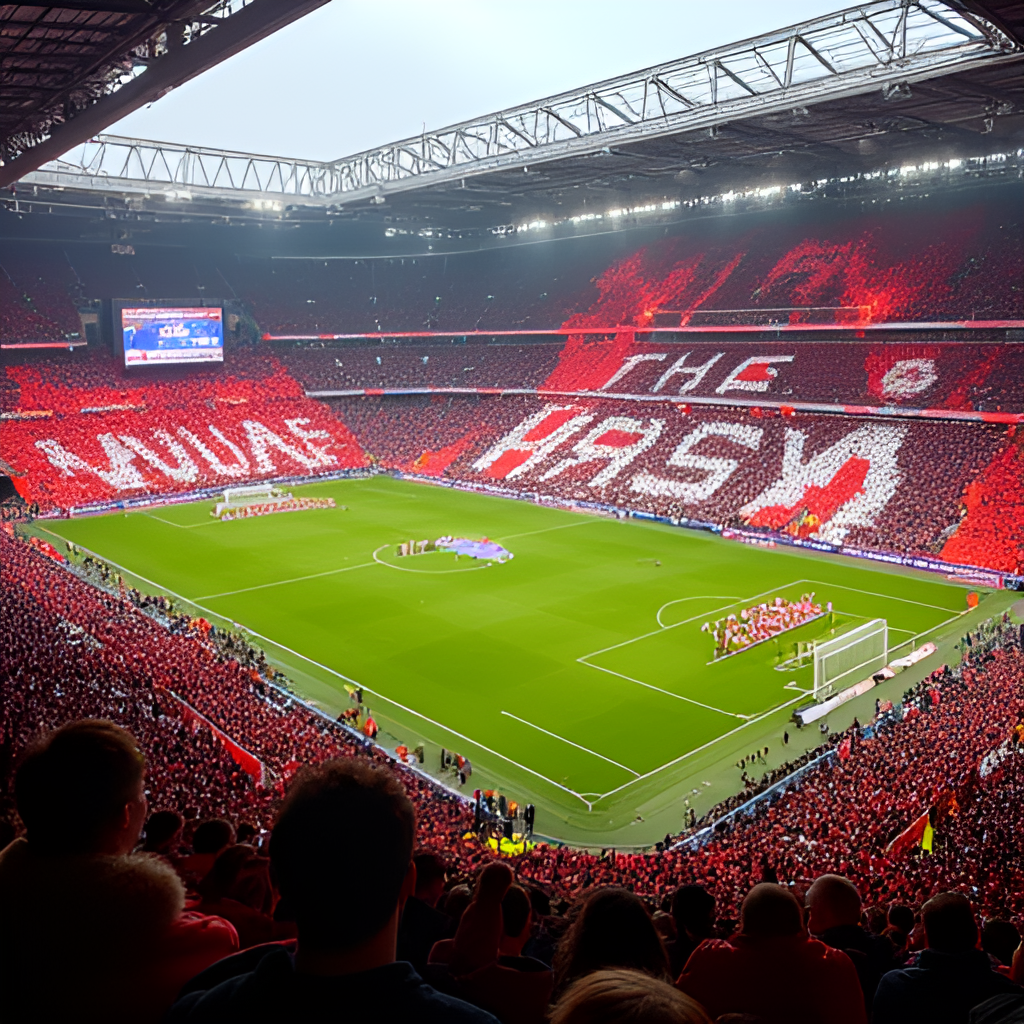
This image is a fictional image generated by GlobalTrendHub.
The Heartbeat of the Bundesliga: Unrivalled Fan Culture
One of the most striking aspects of the Bundesliga, and something I’ve personally witnessed, is the incredible fan culture. German stadiums are renowned for their electrifying atmosphere, vibrant tifo displays, and passionate chanting. It truly feels like a communal experience, a stark contrast to the often more subdued atmospheres in some other leagues.
A significant factor contributing to this is the “50+1 rule.” This regulation ensures that the club members – essentially the fans – hold a majority of the voting rights, preventing external investors from taking complete control. This democratic structure means the fans have a real say in how their clubs are run, helping to keep ticket prices affordable and preserving club traditions.
This focus on accessibility means you can often find standing-room season tickets for a very reasonable price, making it possible for a wider range of people to attend matches regularly. This, in turn, contributes to the consistently high attendance figures in the Bundesliga, often ranking as the best-attended football league in the world.
Beyond Kick and Run: Tactical Innovations in the Bundesliga
The Bundesliga isn’t just about passion; it’s also a league at the forefront of tactical innovation. Over the past couple of decades, German football has undergone a significant tactical evolution, moving towards dynamic and fluid styles of play.
One prominent trend is the high-pressing game, where teams aggressively pressure opponents high up the pitch to regain possession quickly. Jürgen Klopp’s “Gegenpressing” at Borussia Dortmund was a prime example of this, and many teams have since adopted and adapted this approach. Another key element is the focus on quick transitions from defense to attack, often referred to as “vertical football.”
Modern Bundesliga teams also utilise adaptable formations and players who are comfortable in multiple roles, making them tactically flexible depending on the match situation. This emphasis on tactical understanding and flexibility is a direct result of reforms in youth development and coaching education that began in the early 2000s.
Advanced data analysis is also playing an increasing role in the Bundesliga, with tools like “Average Positions: Trends” providing deeper tactical insights for broadcasters, coaches, and fans alike.
Investing in the Future: Bundesliga’s Commitment to Youth
A cornerstone of the Bundesliga’s philosophy is its strong commitment to youth development. Following a period of disappointing international results, the German Football Association (DFB) and the clubs invested heavily in revamping youth academies. This initiative, which began in the early 2000s, mandated that all first and second division clubs operate certified youth academies.
This focus on nurturing young talent has created a pipeline of skilled players, many of whom go on to play at the highest level both domestically and internationally. The academies provide not only technical and tactical training but also support for the players’ education and well-being. While only a small percentage of academy players make it to the professional level, the system ensures a high standard of coaching and development.
The Bundesliga is also increasingly a destination for young international players looking to develop their game, further highlighting its reputation as a league that provides opportunities for emerging talent.
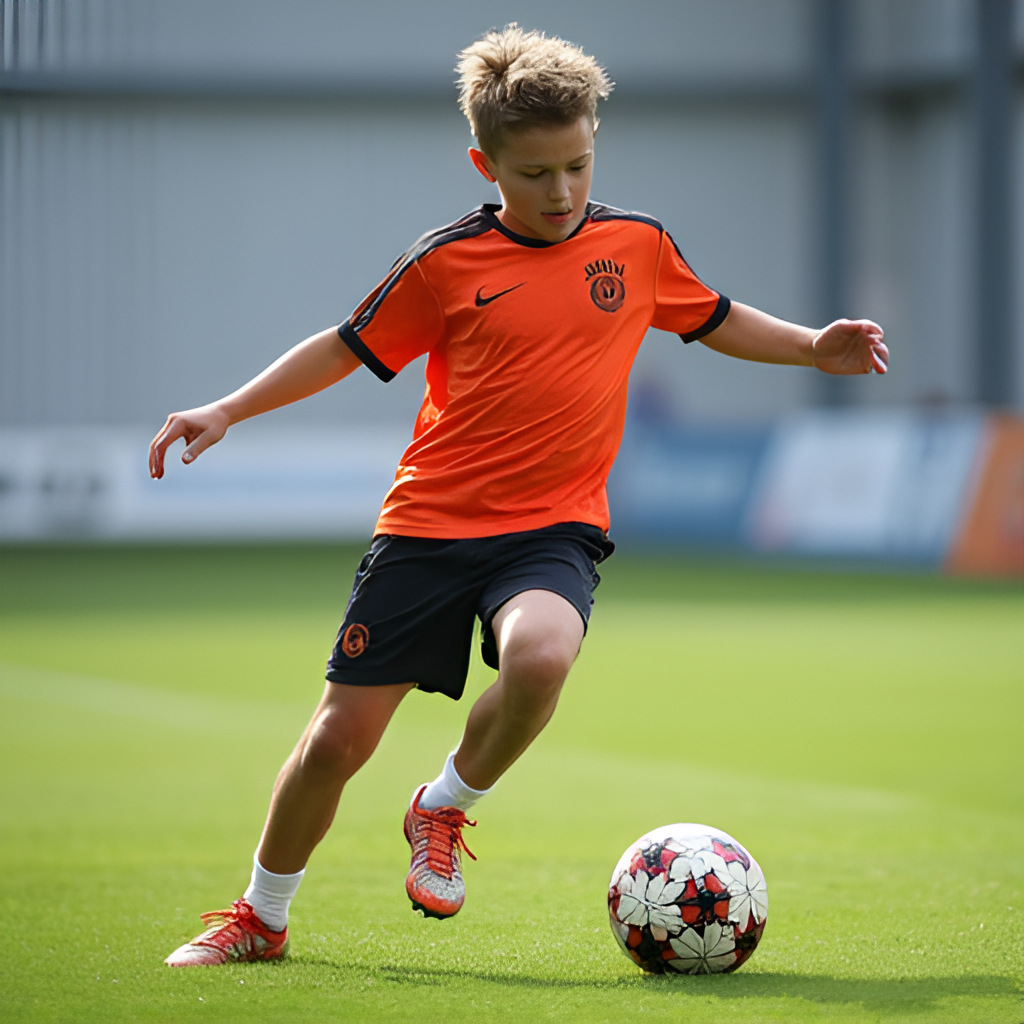
This image is a fictional image generated by GlobalTrendHub.
Bundesliga’s Worldwide Resonance
The appeal of the Bundesliga extends far beyond Germany’s borders. The league is broadcast in over 200 countries and has a growing international fanbase. This global resonance is driven by several factors, including the exciting football on display, the passionate fan culture that translates even through a screen, and the presence of internationally recognised players.
The league’s commitment to youth development also contributes to its international appeal, as fans worldwide follow the progress of talented young players who emerge from Bundesliga academies. Furthermore, the Bundesliga actively works to increase its global reach through partnerships and initiatives aimed at engaging with fans in different regions.
Bundesliga: A League Apart
In conclusion, the Bundesliga is far more than just a football league; it’s a vibrant ecosystem built on history, community, and a forward-thinking approach to the game. From the thunderous atmosphere in the stadiums to the tactical innovations on the pitch and the deep-rooted commitment to developing future stars, the Bundesliga offers a truly unique footballing experience. Having spent time observing and appreciating this league, I can confidently say that the Bundesliga stands as a shining example of how football can be both a global spectacle and a deeply local passion. Its continued emphasis on fans, youth, and exciting football ensures its place as one of the world’s premier sporting competitions.